
Pendant lamp or chandelier – what to choose for a living room?
-
Author
Joanna Bitowt -
Date added
- 4602 views
There are interior design decisions that seem simple… until the moment you actually have to make a choice. This is often the case with living room lighting. On one side, there is the pendant lamp: light, modern, often minimalist. On the other – the chandelier: more elaborate, decorative, associated with elegance and generous light output. Both options have their supporters, and both can completely transform the character of an interior. The key question is: which one will work better in your living room? Read on and find out!
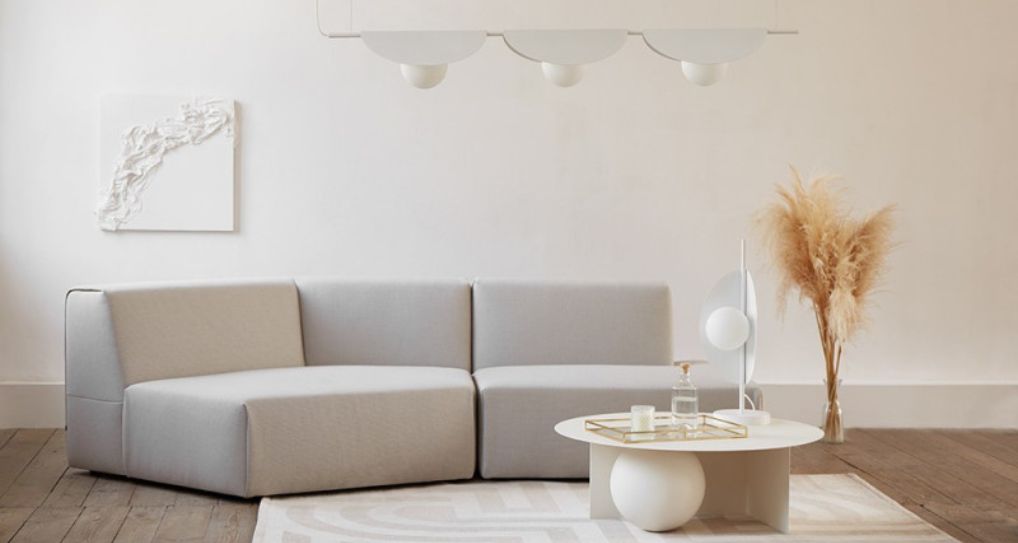
Why is living room lighting so important?
The living room is the most multifunctional space in the home. It’s where you relax after a long day, spend time with loved ones, sometimes eat or read. No wonder the lighting needs to keep up with this rhythm and adapt to different moments.
It’s not just about making the space look nice. Well-chosen lighting affects the proportions of the interior, how it feels after dark, and ultimately the atmosphere. It can softly envelop the space, bring visual order, or highlight its character.
That’s why choosing between a pendant lamp and a chandelier should never be random. It’s a decision worth making consciously. But how?
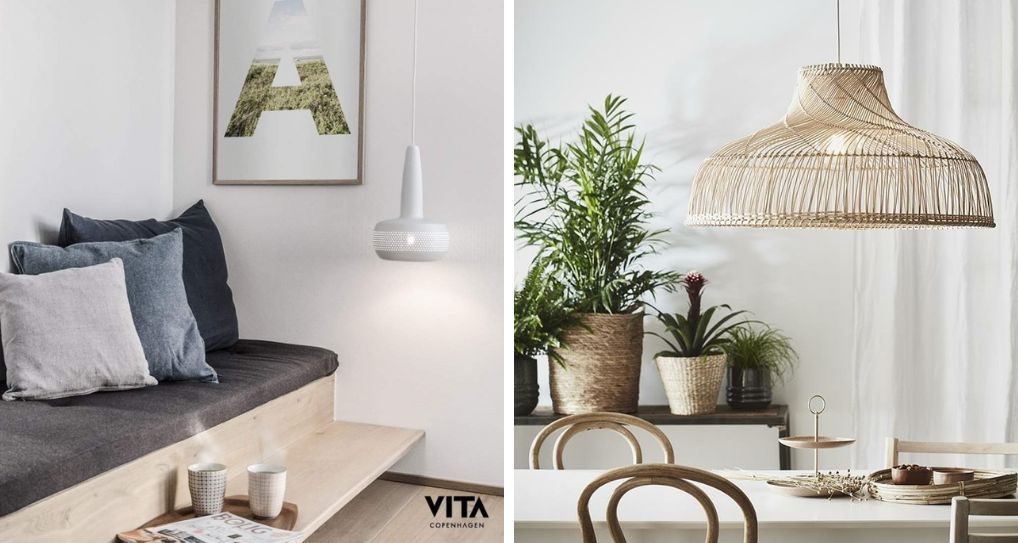
Pendant lamp vs chandelier – what’s the real difference?
Although both solutions are ceiling-mounted, their role in living room design is quite different – and that’s exactly where the difference lies.
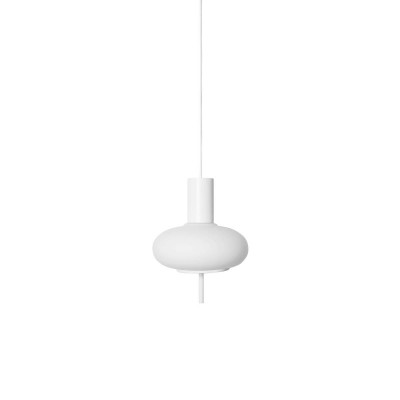
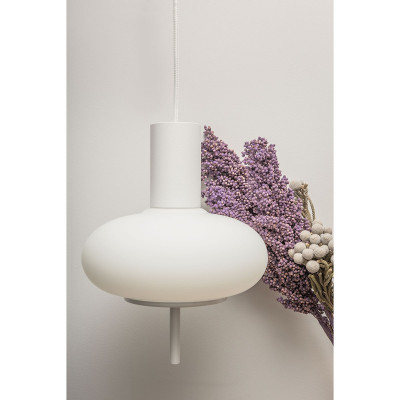
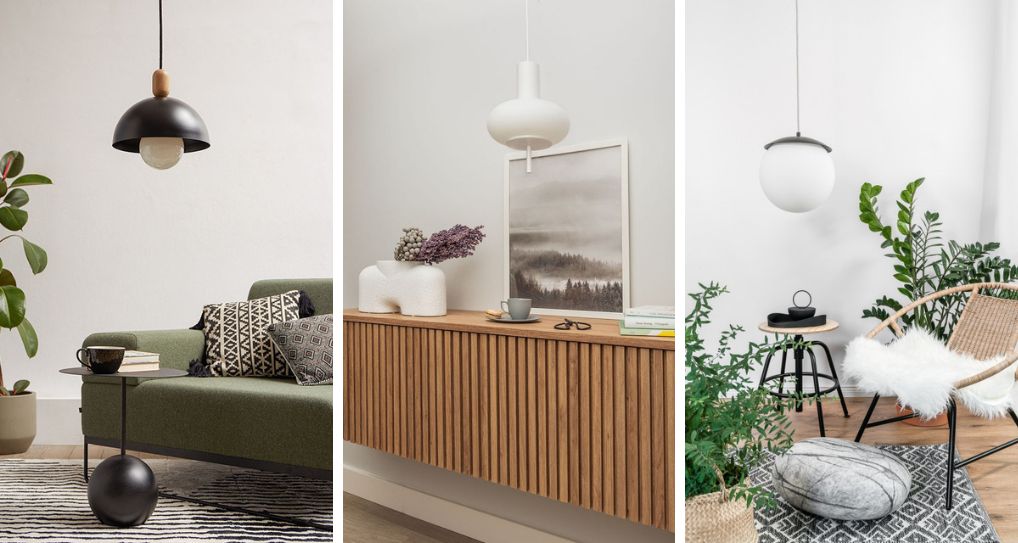
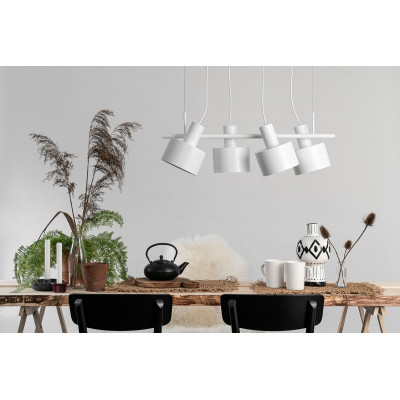
A pendant lamp is usually a single form or several light points combined into one fixture. It often relies on simple lines, geometric shapes, or subtle shades that don’t dominate the space. It provides more directional light and works well where you want to highlight a specific area: a seating zone, a coffee table, or a living room connected to a dining area.
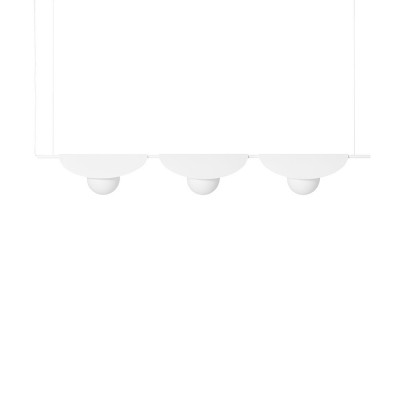
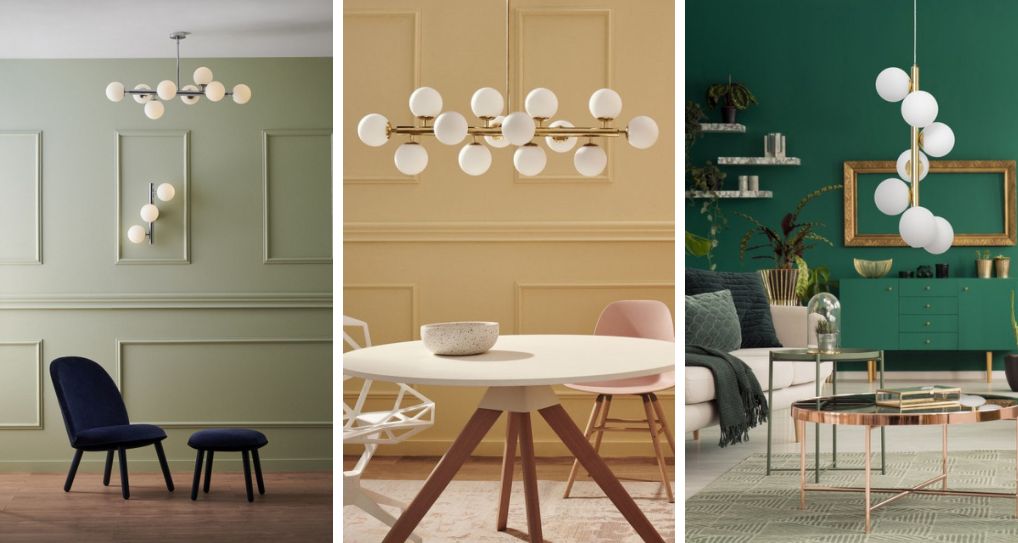
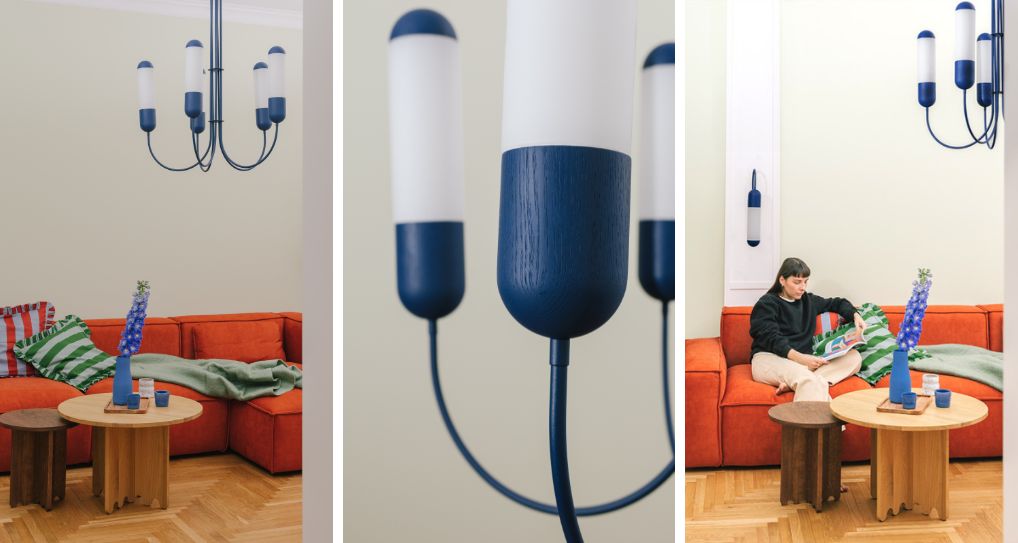
A chandelier works differently. It’s a structure with multiple light sources, designed to evenly illuminate the entire space. It can have a classic, decorative form, but increasingly it also comes in modern, simplified shapes. In both cases, it serves as a strong focal point that organizes the interior and draws the eye.
The difference between a pendant lamp and a chandelier is not just about appearance. It’s mainly about how the light works in the living room and how it affects the perception of the space.
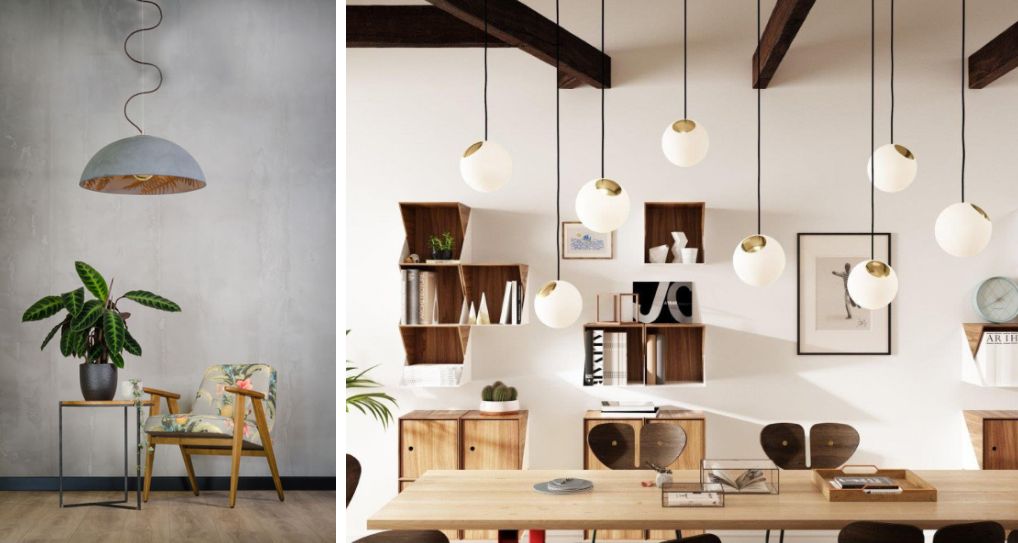
Living room size and ceiling height – the starting point
Before thinking about the style of the lamp, it’s worth looking at the proportions of the interior. Ceiling height and room size have a huge impact on how lighting is perceived.
In lower interiors, a massive chandelier can easily overwhelm the space and visually lower the ceiling. In such cases, a pendant lamp with a light form or a model mounted closer to the ceiling works better. It provides light where needed without dominating the interior.
High ceilings offer much more freedom. Here, expressive forms don’t get in the way – they actually help fill vertical space. A chandelier can beautifully emphasize height and add elegance, while a longer pendant lamp is perfect for a modern, architectural effect.
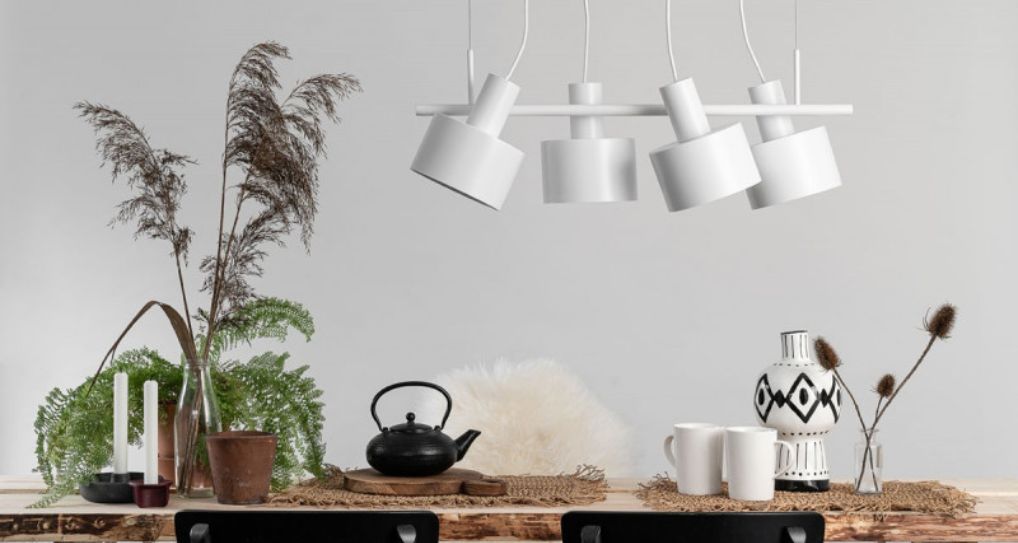
Interior style and lighting choice
Lighting should speak the same language as the rest of the interior. It doesn’t have to be literal or perfectly matched, but it should naturally fit the overall mood.
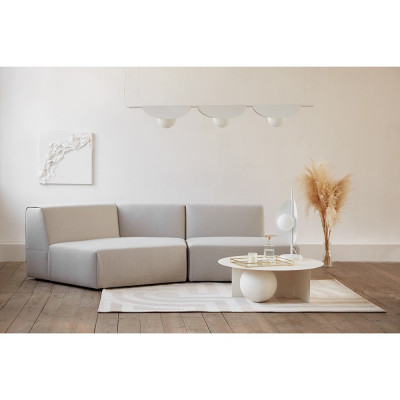
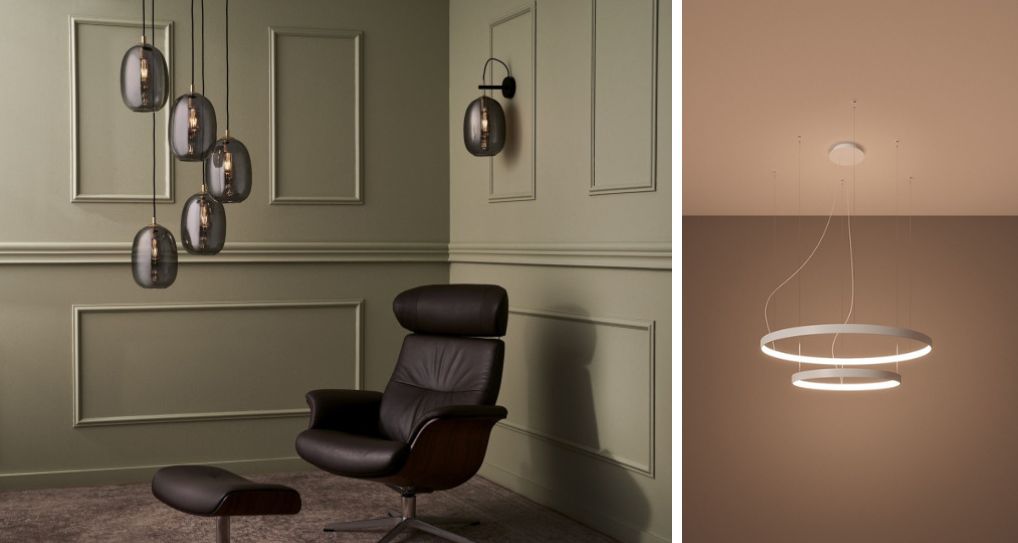
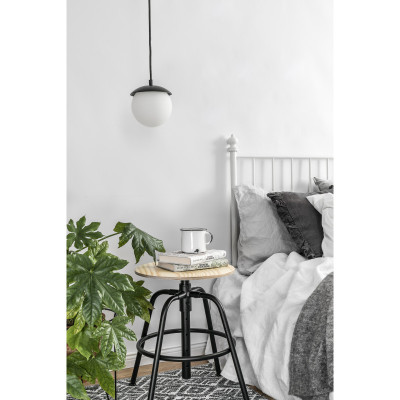
In modern and minimalist living rooms, pendant lamps are an almost obvious choice. Simple shades, geometric forms, and muted colors work well with contemporary aesthetics. They often appear in cascading groups, helping to divide the space into functional zones using light.
Classic, elegant, or glamour interiors usually pair better with a chandelier. This type of lighting adds a sense of grandeur and character. It’s worth remembering, however, that chandeliers no longer have to mean crystals and heavy ornamentation – modern designs can be surprisingly light and versatile.
Mixed styles such as modern classic or soft loft are also increasingly popular. Here, boundaries blur and lighting choices become more intuitive.
One light source is not enough
Regardless of whether you choose a pendant lamp or a chandelier, remember one rule: well-designed living room lighting rarely relies on just one light source.
A chandelier works well as general lighting, but it’s not always enough to create a cozy atmosphere. A pendant lamp can build mood and highlight specific areas, but it’s hard for it to evenly light the entire room. That’s why it’s worth combining different types of fixtures: main ceiling lighting, wall lamps, floor lamps, or table lamps. Don’t forget properly chosen LED bulbs, which help shape the mood.
This combination allows the living room to change character depending on the time of day and situation – functional and bright at one moment, soft and calming the next.
The atmosphere you want to create
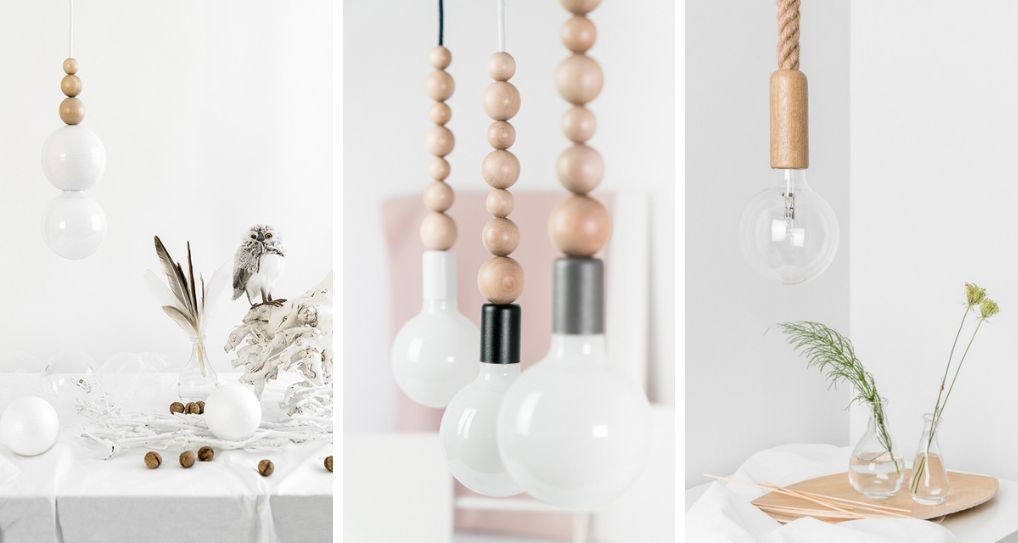
If you’re aiming for representative, evenly distributed light that works well during gatherings and social occasions, a chandelier is a safe choice. It disperses light throughout the space, creating a cohesive and elegant backdrop.
If you prefer a more intimate atmosphere, a pendant lamp allows you to focus light exactly where it’s needed. This solution is especially appreciated in living rooms designed primarily for relaxation.
Example lighting scenarios
In a small living room, especially in an apartment, a pendant lamp with a simple, lightweight form works best. It won’t overwhelm the space and helps maintain visual lightness while providing sufficient illumination.
In a large living room or open-plan space, a chandelier can become the central design element. Combined with additional lighting in seating areas, it creates a balanced and functional whole.
If the living room has a clearly defined center, such as a coffee table or dining area, a pendant lamp hung above this zone and complemented by soft ambient lighting often delivers the best effect.
Trends worth considering
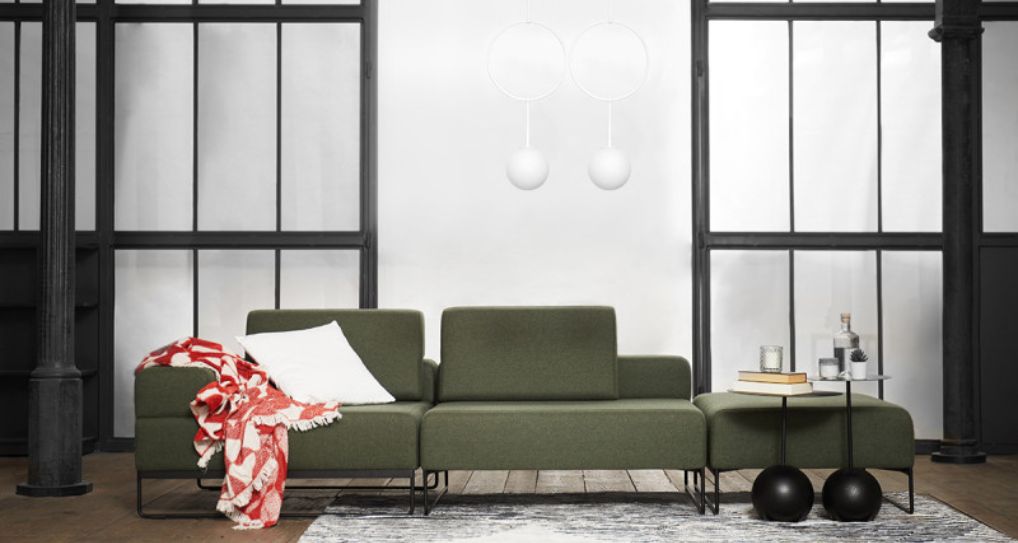
More and more often, lighting is treated as an integral design element, just like furniture or textiles. Both pendant lamps and chandeliers are gaining softer forms, calm colors, and milky glass shades that provide pleasant, diffused light. It’s not just about design, but also about how lighting influences mood after dark.
This direction is clearly visible in 2026 lighting trends, where greater emphasis is placed on light adapted to daily rhythms, household needs, and emotions. If you want to explore this further, check out our article on how the role of light in interiors is changing this year.
Color also plays an important role. A great example is Cloud Dancer, a warm, ethereal white named Pantone Color of the Year 2026. Combined with the right lighting, it brings lightness, calm, and visual harmony. Learn more about how to use Cloud Dancer in interiors and pair it with lighting in a dedicated blog article.
How to make the final decision?
Before choosing a specific model, it’s worth taking a step back and looking at the entire interior concept. Ask yourself a few simple questions:
- What is the ceiling height and size of the living room?
- What style dominates the interior?
- Do you need mainly general lighting or zone lighting?
- What atmosphere do you want to create after dark?
- Are you planning additional light sources?
The answers usually lead naturally to the right solution – one that not only looks good but also fits everyday needs.
Pendant lamp or chandelier – summary
A pendant lamp and a chandelier don’t compete with each other – they simply play different roles. In one interior, a subtle modern form works best; in another, a bold central statement. Sometimes the best solution is a combination of both. The most important thing is that the lighting matches the space and lifestyle, not just current trends.
If you’re looking for interior lighting that helps you consciously build the atmosphere of your living room, visit our store. At KoloroweKable.pl you’ll find both pendant lamps and chandeliers in a wide range of styles.
Related products
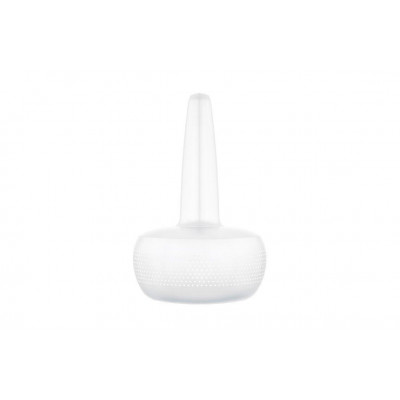
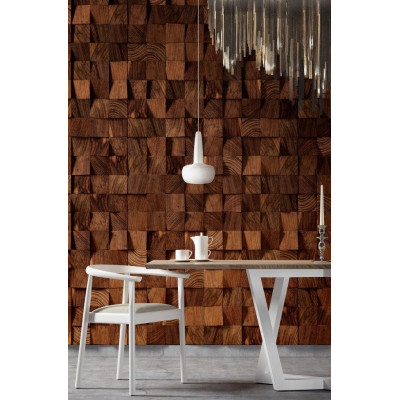
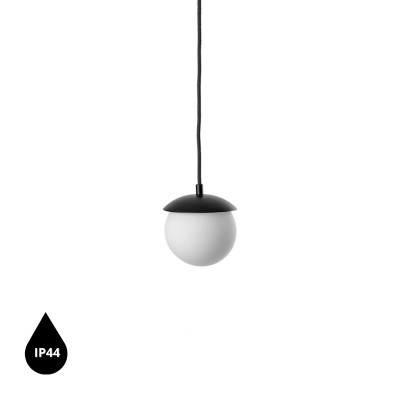
CLAVA matt white pendant shade – UMAGE

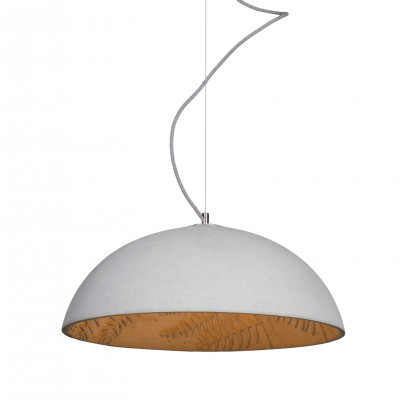
Concrete pendant lamp Jungle LOFTLIGHT
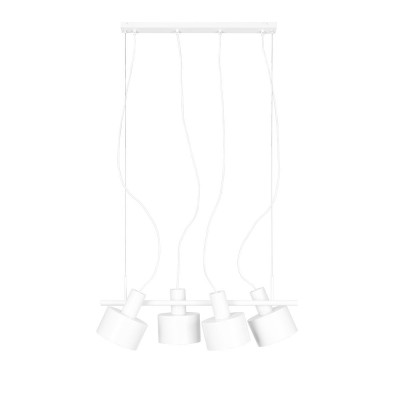
Fuppu A ceiling pendant lamp UMMO

- On sale!
- -20%
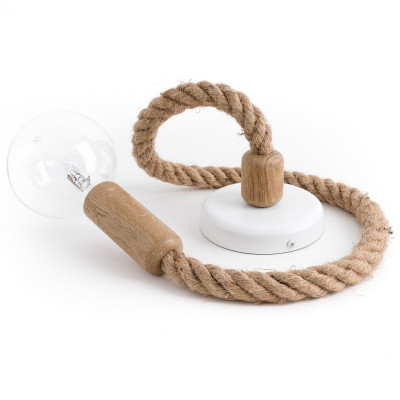
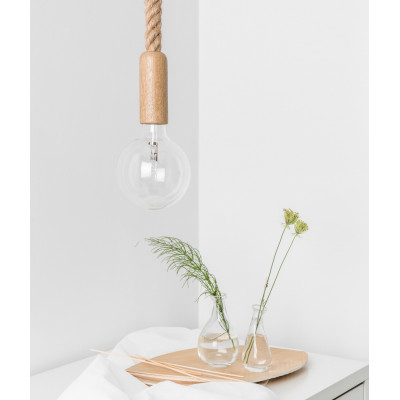
Loft Ari oak pendant lamp with hemp rope and white ceiling rose – Kolorowe Kable
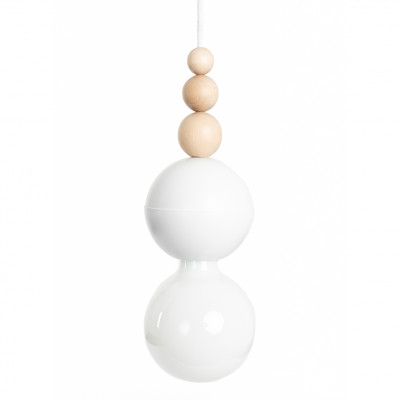
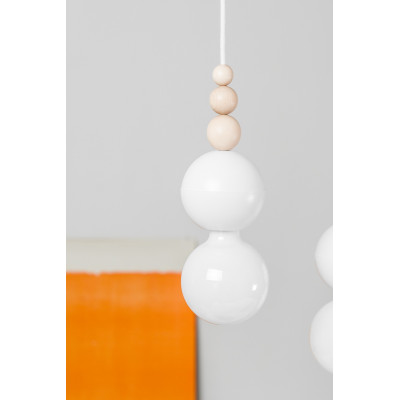
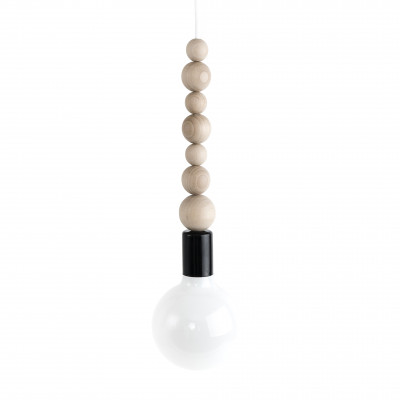
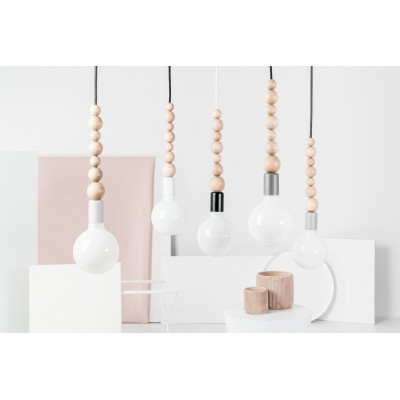
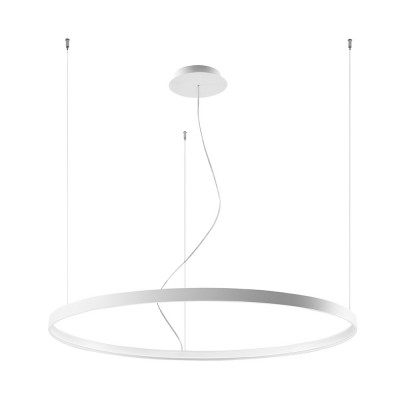
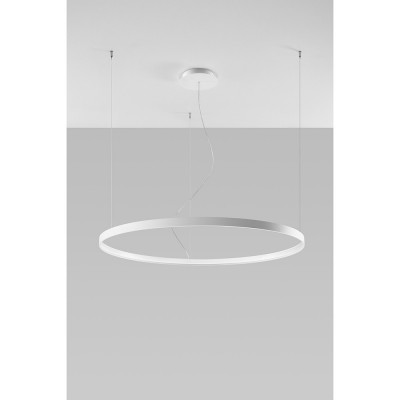
Modern chandelier RIO 110 3000K white THORO
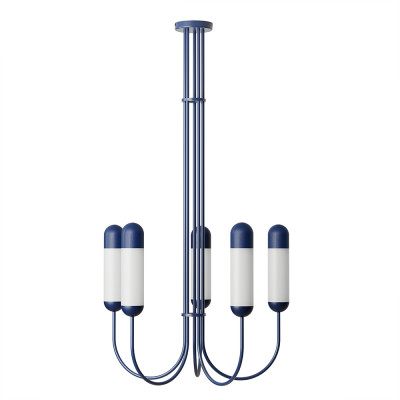
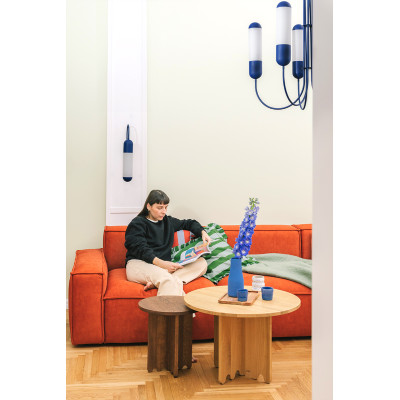
- Out of stock