
Lighting trends for 2026 – How the role of light is changing in interior design
-
Author
Izabela Seliga -
Date added
- 4452 views
Lighting trends for 2026 – how the role of light is changing in interior design
Just a few years ago, lighting was one of the last items on the interior design checklist. Today, the situation looks very different. In 2026, light is no longer a background element – it becomes one of the key components of interior design, influencing not only the appearance of a space, but also mood, comfort, and the way we experience our homes every day.
Upcoming lighting trends clearly point toward softness, naturalness, and conscious design. We are increasingly moving away from cold, technical solutions in favor of lighting tailored to daily rhythms, emotions, and lifestyles. In this article, we take a closer look at the most important lighting directions for 2026 – forms, colors, and functions that will have a real impact on how we design and live in our interiors.
Softness, naturalness, and light that calms
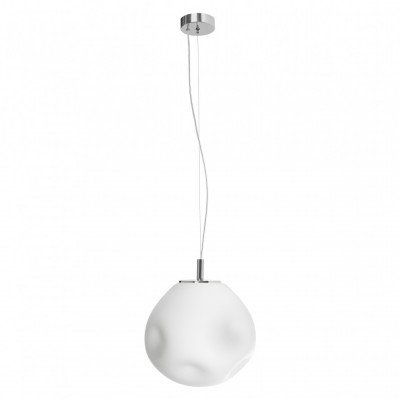
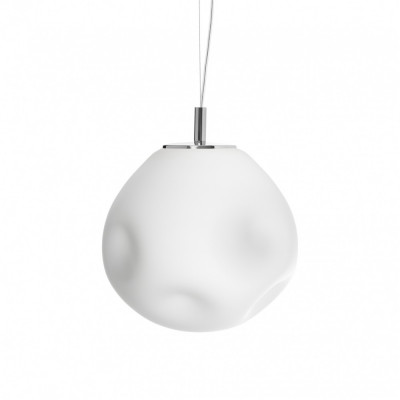
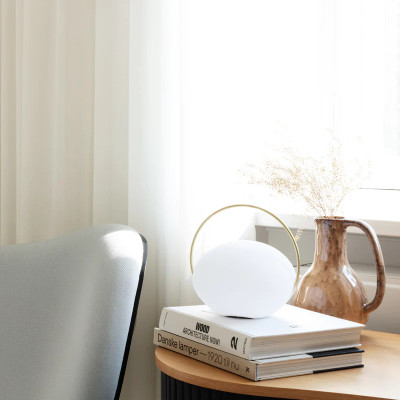
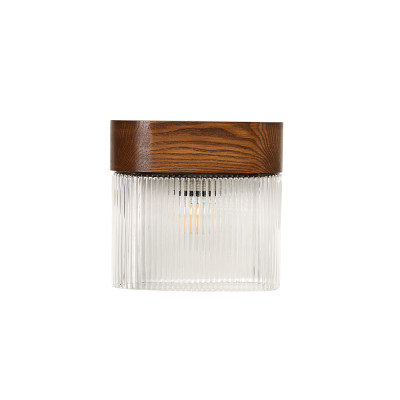
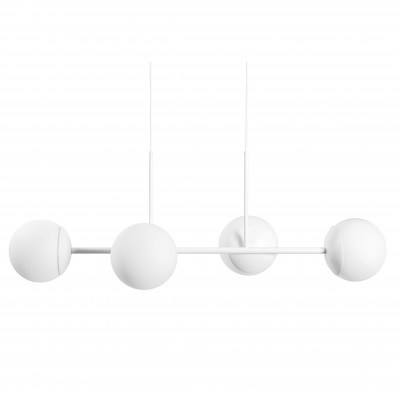
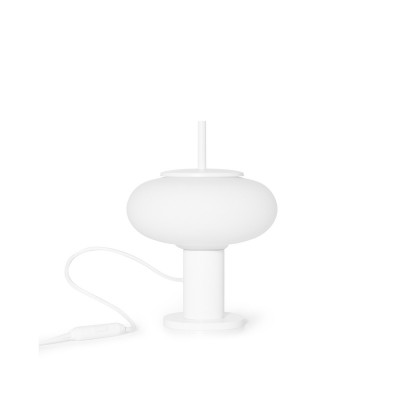
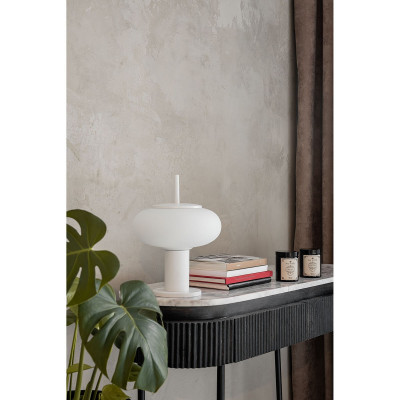
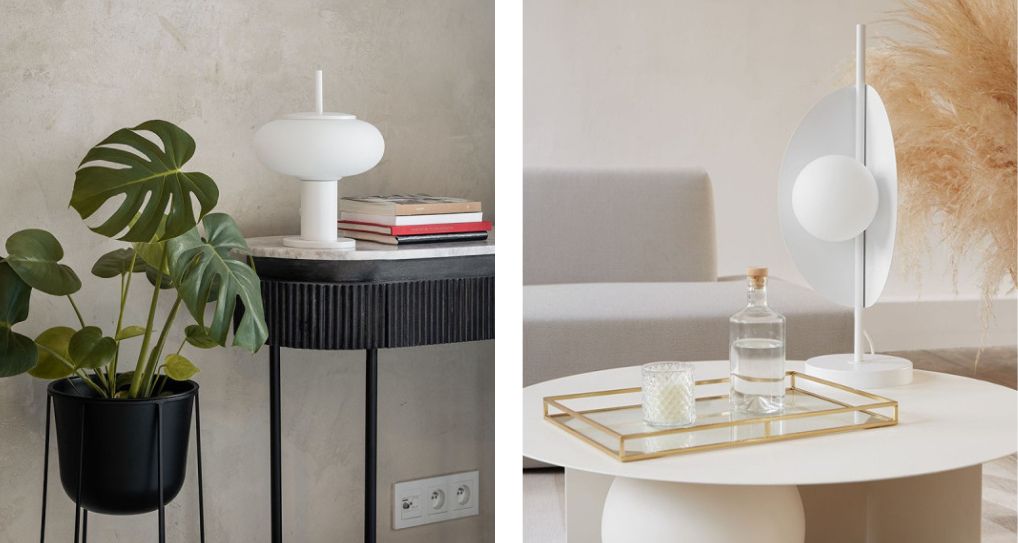
One of the strongest lighting trends for 2026 is a clear shift toward natural, organic forms. Lamps are less and less defined by sharp lines and cold geometry. Instead, we see rounded shapes, gentle curves, and forms inspired by nature – designs that don’t dominate a space, but subtly organize it and bring visual balance. Materials and the way light is diffused also play a crucial role. Milky and satin glass, delicately textured shades, and matte finishes make light softer and more pleasant to the eye. Rather than creating harsh contrasts or visual fatigue, lighting produces a gentle glow that encourages calm and relaxation – both in the evening and throughout the day.
This direction aligns strongly with broader interior trends such as slow living, japandi, and the idea of a calm home. At their core lies a desire for balance, tranquility, and a reduction of sensory overload. As a result, in 2026 increasing importance is placed not only on the form of lighting fixtures, but also on the quality of light itself – its color temperature, softness, and the way it shapes atmosphere – rather than focusing solely on wattage or the number of light points.
The lamp as a design element, not just a light source
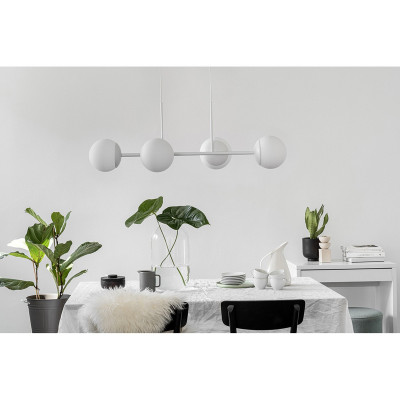
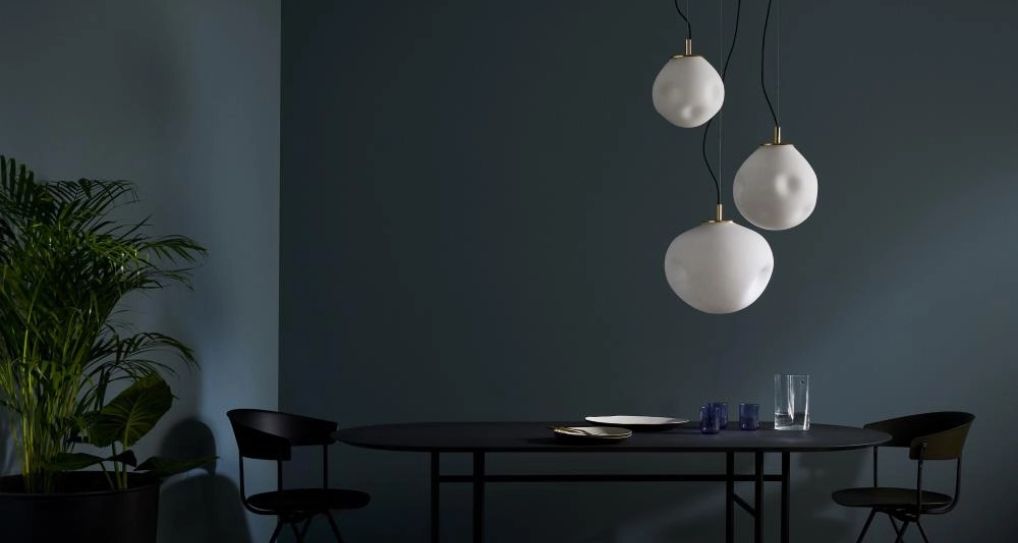
Alongside softer forms, lamps are gaining significance as full-fledged elements of interior design. In 2026, lighting increasingly acts as a visual accent that organizes space and gives it character. Instead of multiple neutral fixtures, interiors often feature one more expressive lamp – suspended above a dining table, defining a relaxation zone, or drawing attention to a central point in the living room.
This approach means that lighting is no longer an afterthought, but an integral part of the interior concept. Proportions, form, and the way light works within a space become essential: how it subtly draws shadows, reflects off walls and materials, and transforms the interior after dark.
In practice, this leads to more mindful choices. In 2026, we are less likely to opt for random solutions and more likely to choose lamps with a clearly defined role – to build atmosphere, highlight architectural elements, or discreetly attract attention without overwhelming the entire arrangement.
New minimalism and a layered approach to lighting
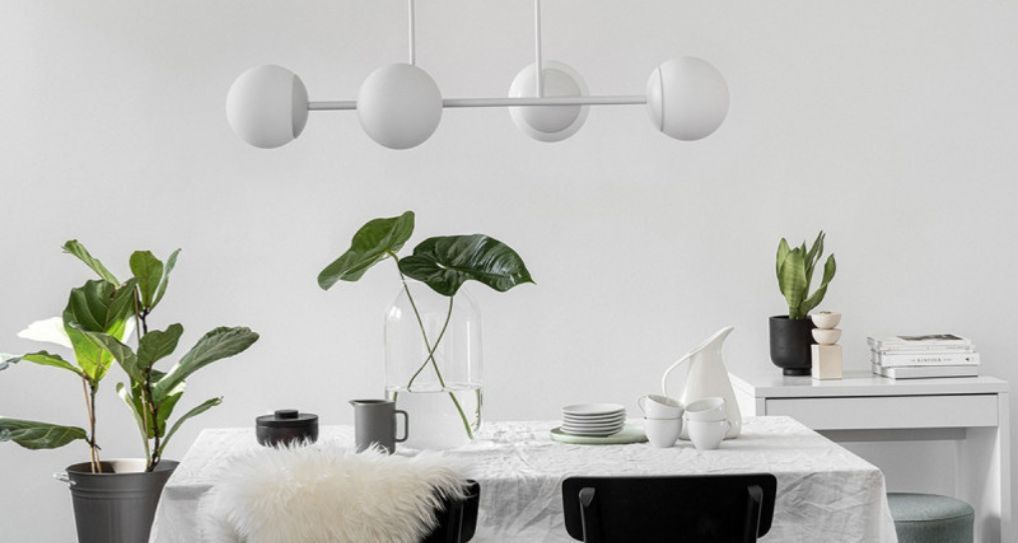
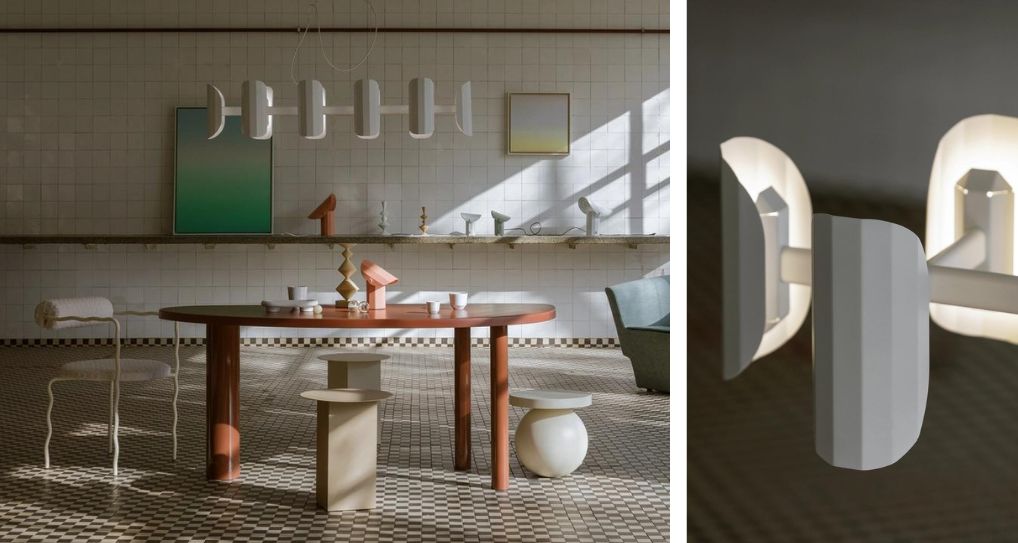
Minimalism in lighting is not disappearing, but it is clearly evolving. In 2026, it becomes less austere and more human – closer to everyday needs than cold aesthetics. Simple forms still matter, but details gain importance: finishes, colors, and mounting methods. Slim profiles, calm geometry, and muted color palettes – beiges, graphite tones, and off-whites – create a background that doesn’t dominate the interior, allowing it to breathe.
Naturally connected to this approach is layered lighting design. A single light source is no longer enough, as it doesn’t respond to the variability of daily life. Interiors are increasingly planned with multiple complementary layers in mind: ambient, task, and mood lighting. This allows spaces to smoothly shift in character – from bright and functional during the day to soft, intimate, and atmospheric in the evening.
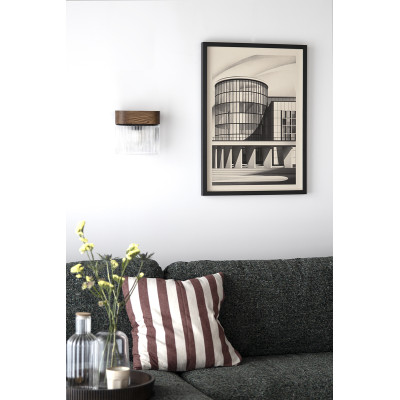
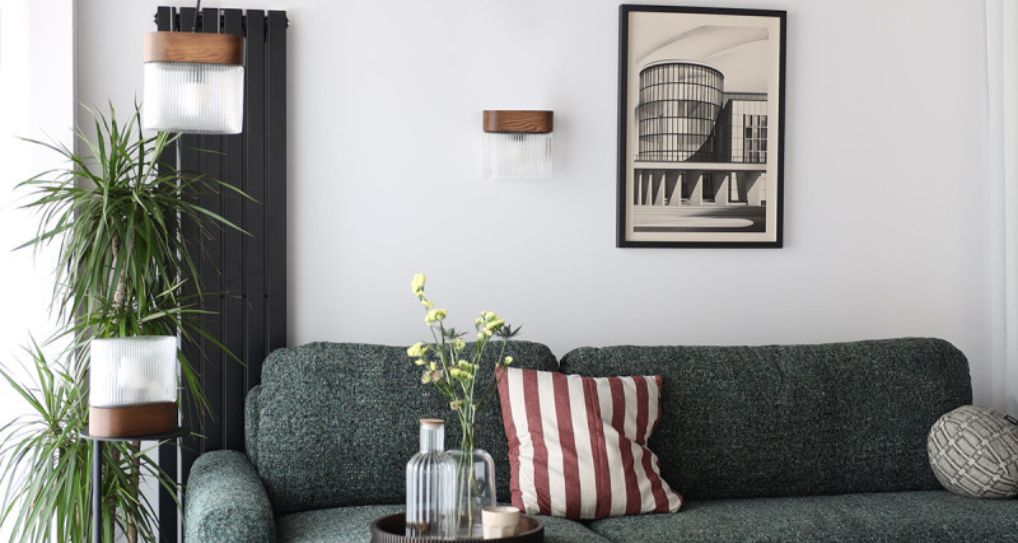
Layered lighting also brings a sense of freedom. Table lamps, wall sconces, and discreet light points make it possible to adjust the atmosphere without changing the entire arrangement, adapting lighting to current needs, time of day, and mood.
Technology that supports everyday life
While aesthetics play a major role in lighting trends for 2026, technology remains their quiet ally. What changes is how we perceive it. Smart solutions are no longer flashy extras; instead, they become a natural part of well-designed spaces – ones that work intuitively and don’t demand constant attention.
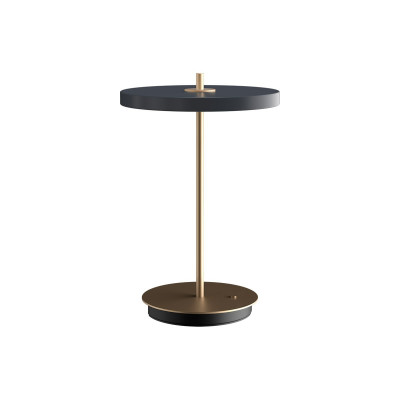
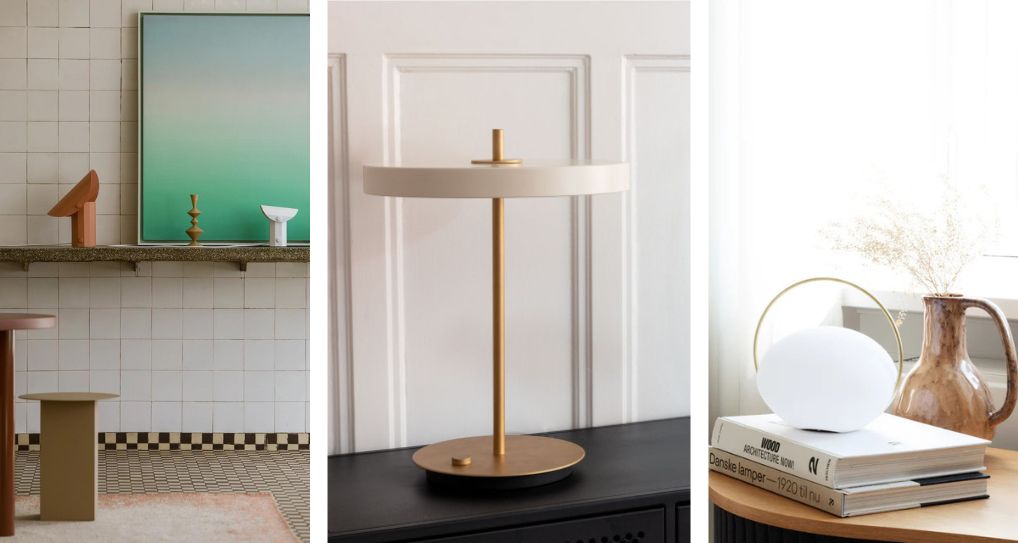
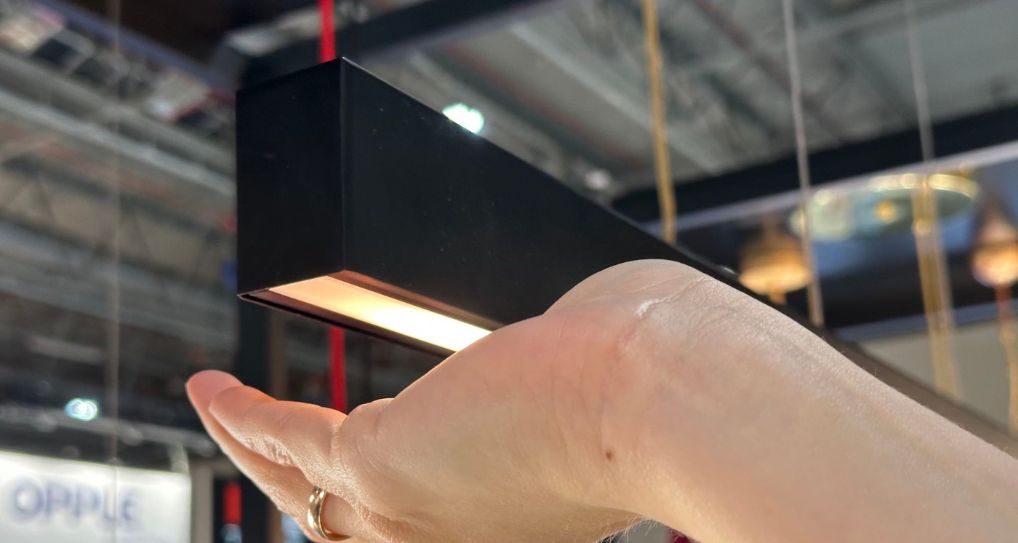
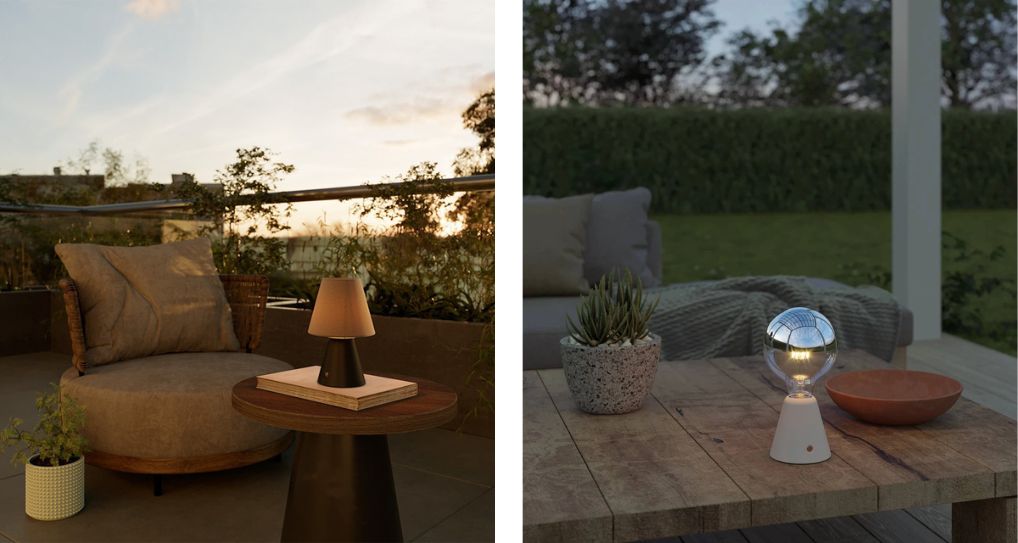
Adjustable light intensity and color temperature, lighting scenes aligned with the time of day, as well as track and modular systems respond to real, everyday needs. Light can gently energize us in the morning and support calm and relaxation in the evening. Mobility is also gaining importance – portable and rechargeable lamps allow for flexible arrangements and lighting adjustments without interfering with permanent installations.
Light color and cloud dancer – the aesthetics of calm
Among lighting trends for 2026, color is becoming increasingly important – not only in the fixtures themselves, but above all in the color and character of light. Bright, soft tones play a special role, bringing lightness, harmony, and a sense of visual order into interiors. A perfect example of this direction is Cloud Dancer – a warm, ethereal white announced as the Color of the Year 2026 by the Pantone Institute.
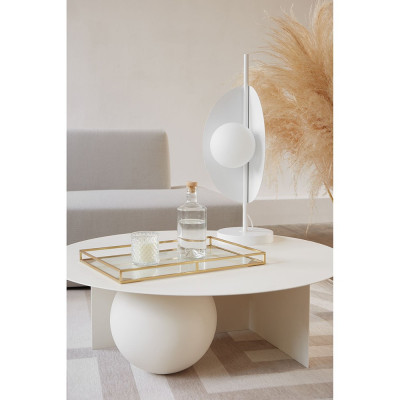
Cloud Dancer perfectly reflects how we think about light today. It calms the space, visually organizes it, and works beautifully with diffused, warm lighting. It’s a shade that doesn’t impose itself, but instead allows light to take center stage. Depending on color temperature and diffusion, it can appear more cozy or more modern, making it an exceptionally versatile choice for a wide range of interiors.
If you’d like to see how Cloud Dancer works in practice and how to choose lighting that enhances its character, we explore this topic in greater detail in a dedicated blog article – [check out our guide to the Cloud Dancer color].
What’s losing relevance – and why
Changes in lighting trends don’t involve an abrupt break with the past, but rather a gradual shift in emphasis. Solutions that were highly popular just a few seasons ago are losing relevance in 2026 mainly because they no longer meet our current needs. Harsh, context-free industrial fixtures, bare bulbs used as the main decorative element, and cold, technical lighting in residential interiors are increasingly associated with discomfort rather than appeal.
In place of loft-style rawness comes a need for warmth, softness, and greater care for how light is perceived. We are paying more attention to how lighting affects well-being, eye strain, and the overall atmosphere at home. This is a natural evolution – driven by growing awareness and a desire to create spaces that not only look good, but genuinely support everyday living.
Summary
In 2026, light goes beyond its purely functional role. It increasingly becomes a tool for building mood, visual harmony, and daily comfort. Soft forms, natural materials, layered lighting concepts, and colors like Cloud Dancer show that we value interiors that allow us to slow down, unwind, and truly breathe.
Choosing lighting consciously becomes a long-term investment. Rather than treating trends as fleeting fashions, it’s worth seeing them as guidance – a signal of where contemporary lighting design is heading and the role it can play in our homes.
If you’re considering changes to your interior or looking for lighting aligned with upcoming trends, visit our store. You’ll find collections that combine soft forms, natural materials, and light designed with everyday comfort in mind.
Related products