
How to plan reception lighting? Lamps and trends
-
Author
Izabela Seliga -
Date added
- 1100 views
The reception area is the company’s calling card, and lighting is one of its most important elements. It only takes a few seconds to form a first impression of a hotel, office, beauty salon, or medical facility. Well-designed lighting can give even a minimalist interior character and elegance. Poorly chosen lighting? It can make the space feel unprofessional and create an unpleasant atmosphere right from the entrance.
So how do you plan reception lighting that is both visually striking and functional? Which lamps work best in modern commercial interiors? And why is it worth thinking about lighting already at the interior design stage?
Why Is Reception Lighting So Important?
Today, the reception area serves many more functions than it did just a few years ago. It is not only a place where clients and guests are welcomed, but also a representative space that helps shape the brand image. In modern offices, receptions increasingly resemble hotel lobbies, while in beauty salons they create a relaxing atmosphere. In medical offices and clinics, on the other hand, they help create a more welcoming environment for patients.
Lighting has a huge impact on how we perceive a space. A reception area that is too dark may seem unwelcoming or unprofessional. Meanwhile, harsh cool-toned light often makes interiors feel sterile and uncomfortable. Properly designed lighting creates a space that communicates the brand’s aesthetic from the very first step and encourages visitors to stay longer.
The comfort of reception staff is equally important. Employees often spend many hours working at a computer or interacting with clients. Poorly designed lighting can cause eye strain, irritation, and discomfort. That is why modern reception lighting should combine decorative appeal with functionality.
What Functions Should Reception Lighting Fulfill?
When designing lighting for a reception area, think in layers. A single ceiling lamp placed in the middle of the room is rarely enough to create a comfortable and visually appealing space.
Practical Function
The main role of lighting is to ensure proper visibility. The reception desk should be adequately illuminated for both employees and clients. It is also important to reduce glare and distribute light evenly throughout the interior.
That is why the best solution is to combine several light sources:
- general lighting,
- task lighting,
- decorative lighting.
This approach makes the interior more functional while also looking far more interesting than a space illuminated by just one fixture.
Representative Function
A modern reception area plays an important role in creating a professional image for the company. That is why reception lighting should match the interior style and the nature of the business. Decorative pendant lamps and soft indirect lighting work perfectly in elegant hotels. In minimalist offices, track systems, spotlights, and simple geometric forms are more common.
Wayfinding Function
Lighting also helps organize the space. A properly illuminated reception desk naturally draws attention and guides movement throughout the interior. This is especially important in larger commercial spaces, where the reception should be visible immediately upon entering.
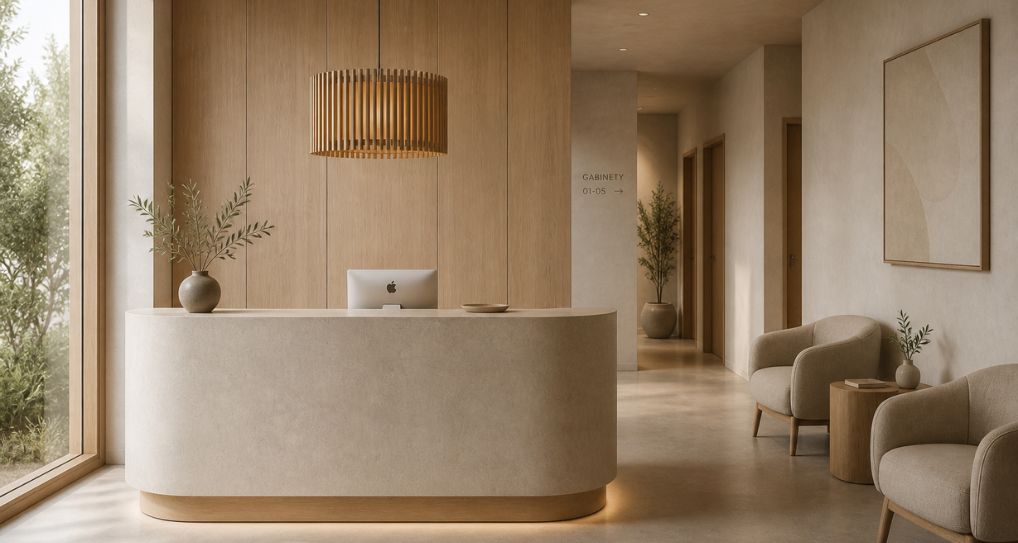
Layered Reception Lighting – The Most Important Rule
One of the biggest mistakes in lighting design is treating lighting purely as a technical aspect. Well-planned lighting adds depth to the interior and influences its perception just as strongly as wall colors or furniture. That is why layered lighting is now commonly used in reception areas.
General Lighting
General lighting is the foundation that ensures even illumination throughout the space and, as a result, everyday user comfort.
The following solutions work particularly well in reception areas:
- linear lighting fixtures,
- ceiling lights,
- spotlights,
- track lighting systems,
- magnetic track lighting systems.
Flexible modular systems are becoming increasingly popular. They allow you to easily rearrange light points and adapt the lighting layout to current needs.
This solution is especially practical in office spaces and showrooms, where the interior layout often evolves along with the company’s growth.
Task Lighting
In reception areas, lighting directed at the work surface is extremely important. It directly affects employee comfort during daily tasks.
The following solutions work perfectly as task lighting:
- pendant lamps above the reception desk,
- directional spotlights,
- LED spot fixtures,
- wall sconces.
Remember that task lighting should not be too harsh. Spotlights aimed directly at an employee’s face may cause discomfort for both staff and clients.
Decorative Lighting
Decorative lighting gives the interior its unique character. Decorative fixtures build atmosphere, highlight architectural details, and add elegance to the reception area.
Popular solutions in modern interiors include:
- illuminated walls,
- LED strips,
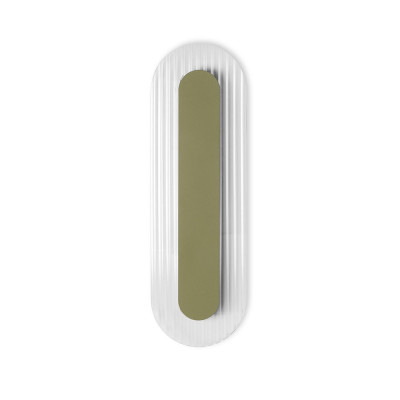
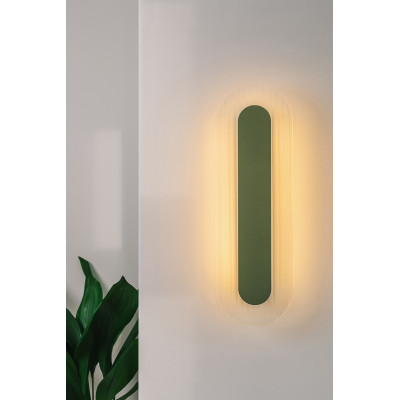
- decorative wall sconces,
- designer pendant lamps,
- neon signs and LED neon signs.
What Color Temperature Works Best for a Reception Area?
Color temperature has a huge impact on the atmosphere of an interior. Even the most beautifully designed reception area can look unappealing if the lighting is poorly chosen.
The most commonly used lighting falls within the range of 3000 K to 4000 K.
Warm light makes interiors feel cozier and more relaxing. That is why it works perfectly in:
- hotels,
- beauty salons,
- SPAs,
- showrooms,
- boutique service spaces.
Neutral color temperatures, on the other hand, are more commonly used in:
- offices,
- medical practices,
- medical receptions,
- modern service spaces.
This type of lighting looks more professional and supports concentration.
Avoid light bulbs with very cool tones, as they may make the interior feel unpleasant and overly sterile.
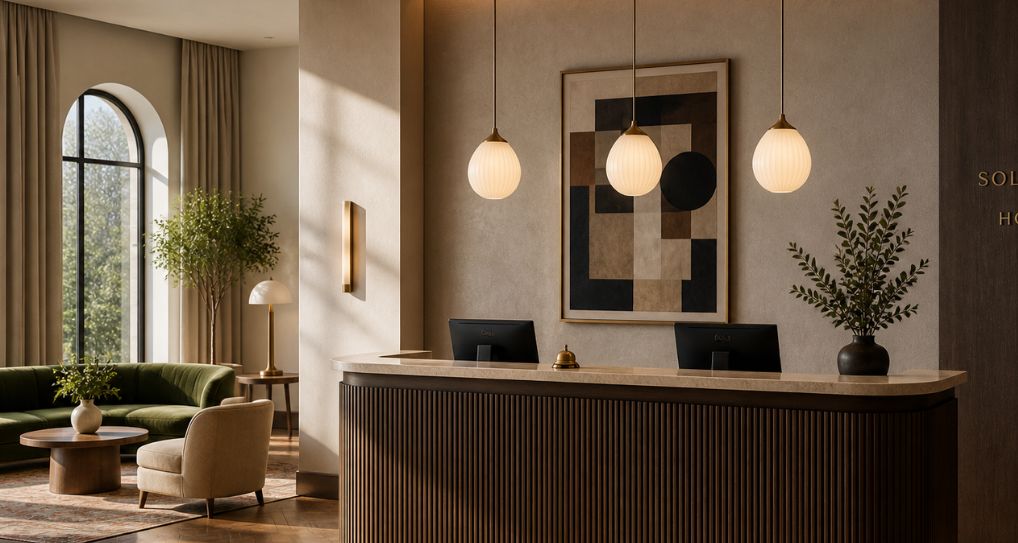
Which Lamps Work Best in a Reception Area?
The choice of specific lighting fixtures depends primarily on the size of the space and the interior style. Modern designs very often combine several different types of lighting.
Pendant Lamps
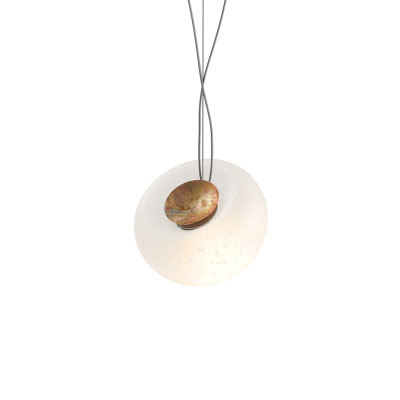
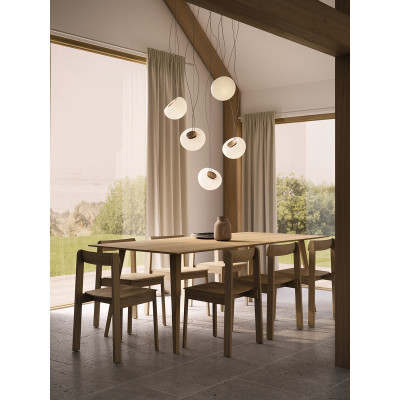
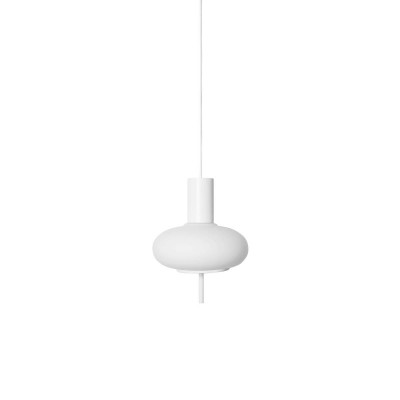
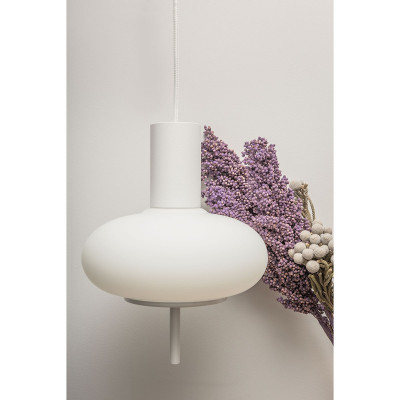
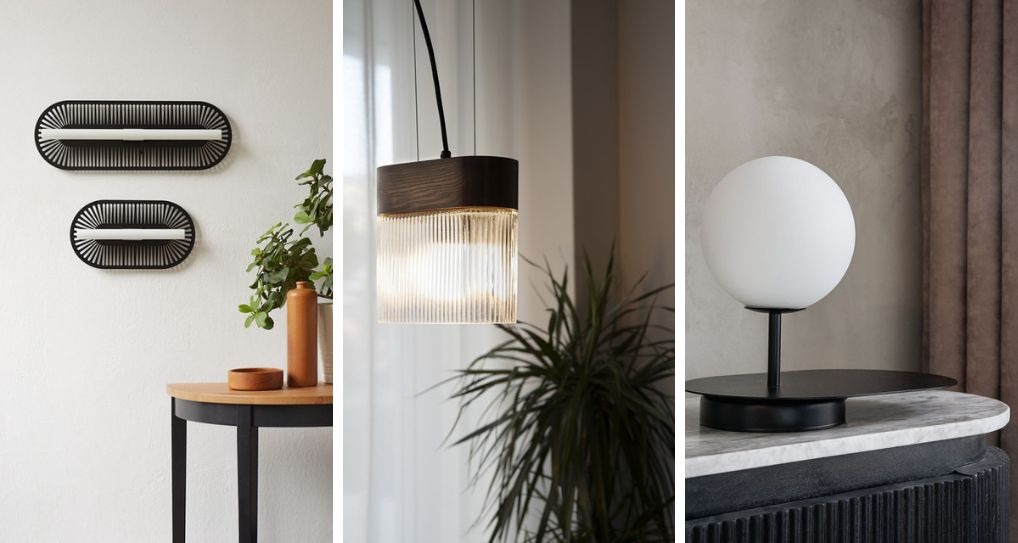
Pendant and ceiling lamps are the most common choice above reception desks. These types of fixtures help emphasize the central point of the interior and create a representative character for the space.
Current trends include:
- milky glass globes,
- minimalist geometric fixtures,
- ribbed glass,
- organic forms,
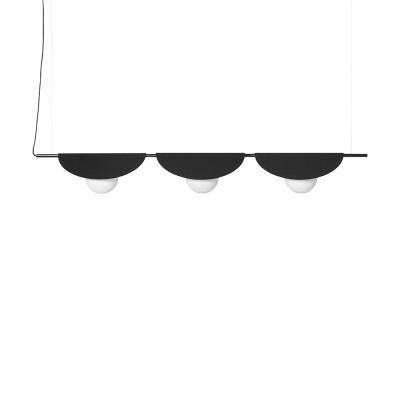
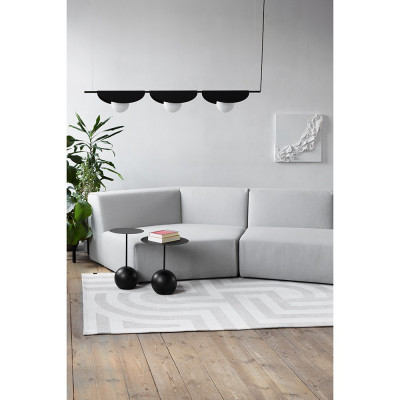
- multi-lamp compositions.
Track Lighting and Spotlights
Track lighting systems are extremely functional. They allow flexible light control and make it easy to change spotlight positions without rebuilding the installation.
They work particularly well in:
- offices,
- showrooms,
- modern commercial reception areas,
- open-space interiors.
Wall Sconces and Indirect Lighting
Side lighting makes interiors feel cozier and more multidimensional. Wall sconces help avoid the effect of flat, uniform lighting.
Designers are also increasingly using concealed LED profiles that subtly illuminate walls, slatted panels, or built-in furniture.
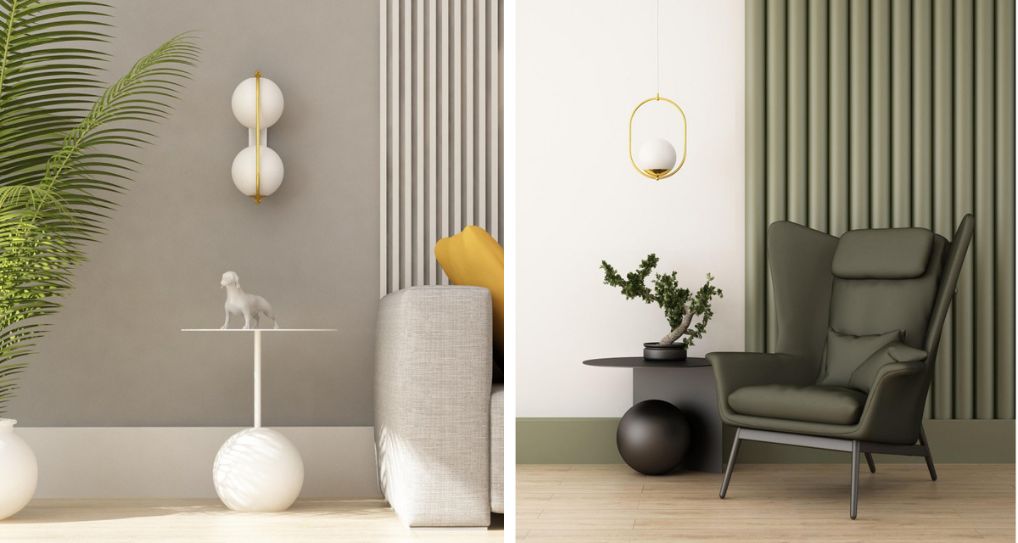
The Most Common Mistakes in Reception Lighting
Even a well-designed interior can lose its potential because of poorly planned lighting. The most common mistakes made when designing reception lighting include:
- using only one light source,
- insufficient lighting of the reception desk,
- overly cool color temperature of bulbs,
- random spotlight placement,
- lack of decorative lighting,
- stylistic inconsistency,
- overly strong, glaring light.
Remember that reception lighting should be consistent with the character of the entire interior. Different solutions will work in a japandi-style office than in a rustic hotel or a glamour-inspired beauty salon.
Reception Lighting Trends
Today’s reception areas are increasingly moving away from the formal spaces of the past. Modern receptions are designed to be equally functional, aesthetic, and aligned with the brand image. So which trends stand out the most?
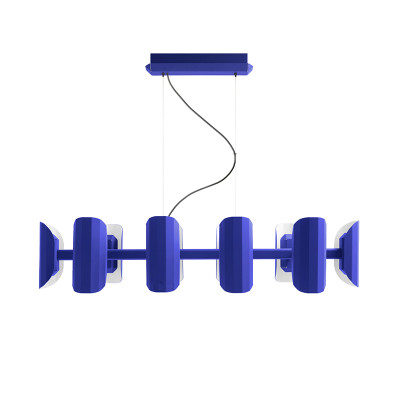
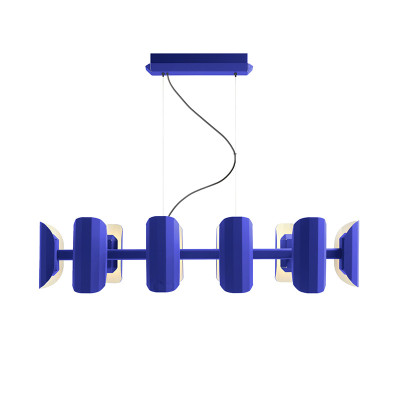
- Large pendant lamps – eye-catching XL forms attract attention from the very first moment and help create a more representative interior. Great examples include the SALLO C model by UMMO lighting or the multi-arm fixture from the Apolin collection by KASPA.
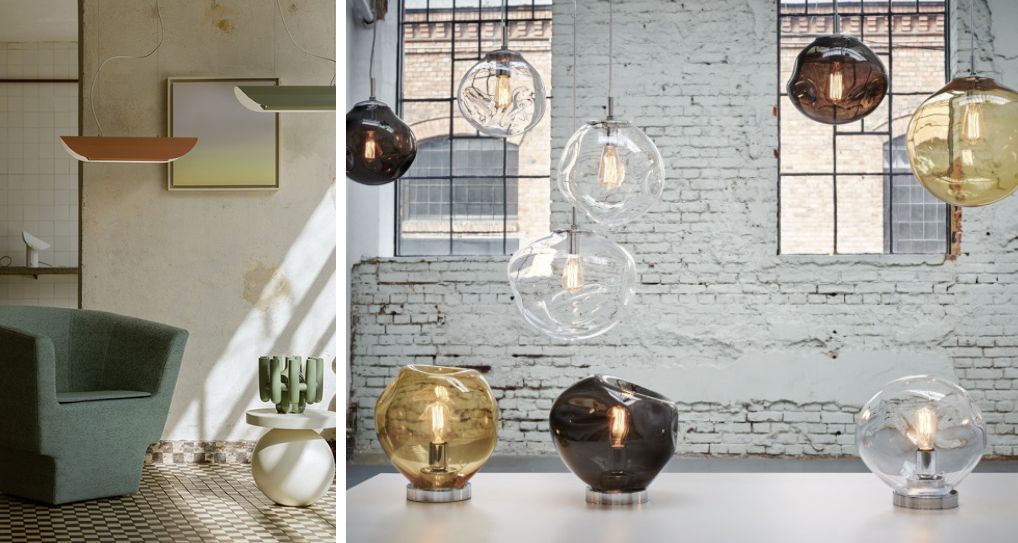
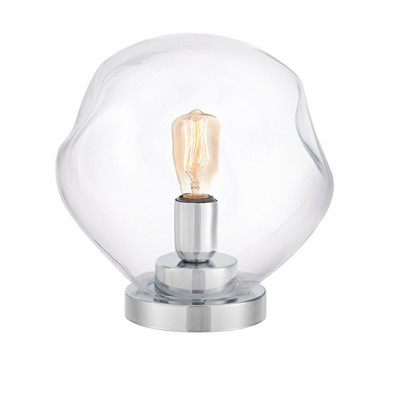
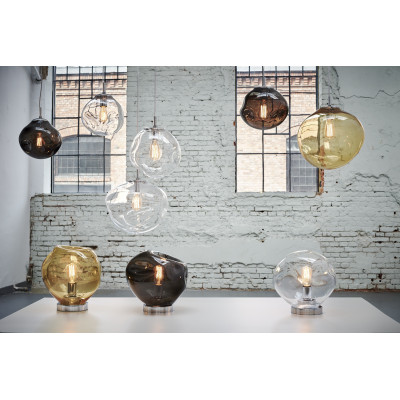
- Organic and soft forms – inspired by nature, with rounded shapes, soft lines, and lightweight forms. They make interiors feel friendlier and less formal. If you like this trend, check out the CLOE and AVIA collections by KASPA, as well as the Bright Barocco and Nautico series by Nordic Tales.
- Milky lampshades – a timeless solution that never goes out of style. Frosted globes subtly diffuse light, making interiors look elegant and harmonious. You will find many fixtures of this type in the collections of UMMO Lighting.
- Track systems – flexible lighting systems provide exceptional convenience while allowing the light to be adapted to current needs. With our track lighting configurator, you can design an entire system tailored to the size and layout of your space.
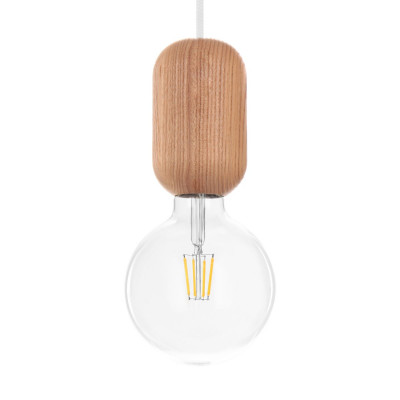
- Natural materials – glass lamps, wood, fabric, or ceramic fixtures. These elements perfectly match popular styles such as soft minimalism, japandi, or quiet luxury. Wooden fixtures can be found in the Eco Line collection and Loft Barille by Kolorowe Kable. For ceramic lamps, explore the collections of Ferroluce and Zangra.
- Custom lighting arrangements – modern projects increasingly allow for individual lamp configurations. This includes suspension lengths, colors, and elaborate lighting compositions tailored to a specific space. Interested? Check out the Creative-Cables systems.
- Hidden LED lighting – LED strips mounted in built-in furniture, walls, or ceilings create a subtle, modern lighting effect. Indirect light builds a cozy atmosphere and visually adds lightness to interiors.
.jpg)
How to Light a Reception Area – Summary
Well-chosen reception lighting helps create a space that is both representative and functional. Properly selected indoor lamps highlight the character of the brand and make interiors look modern and professional.
If you are planning a reception area arrangement, visit KoloroweKable.pl and discover solutions that will help you design a cohesive yet visually striking space.
Related products


- On sale!
- -55%
Ex-display AVIA table lamp with clear freeform glass and chrome details – KASPA


- On sale!
- -150.00 zł