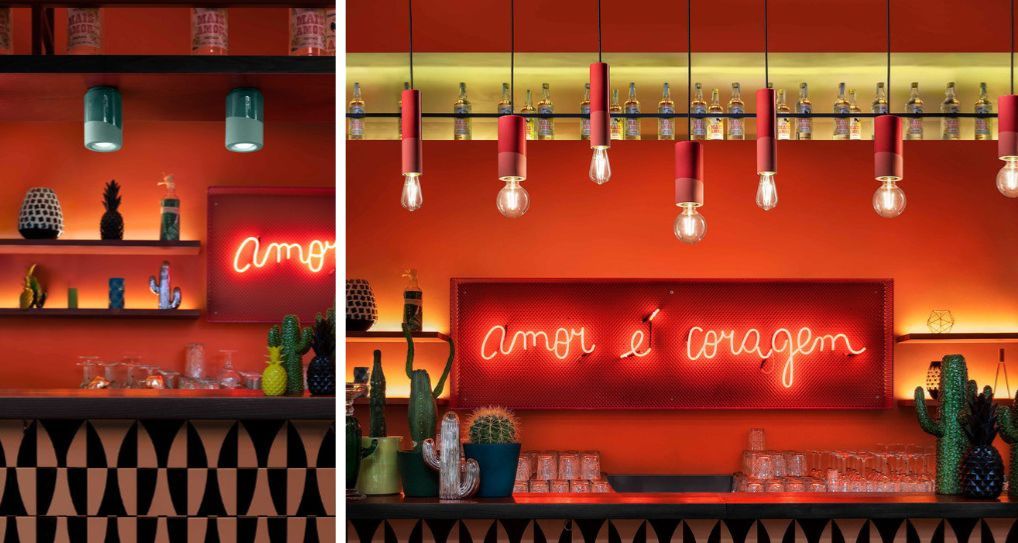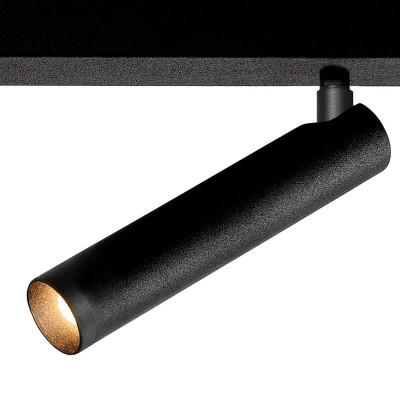

Tubular lamps – where do they work best?
-
Author
Joanna Bitowt -
Date added
- 960 views
Not every ceiling lamp gives you full control over light. Sometimes you need a fixture that won’t diffuse it throughout the entire room, but instead direct it exactly where it needs to work. That’s why tubular lamps are increasingly appearing in modern interior designs. They are simple, precise, and clearly organize the space. When do they really make sense? And will they work in every interior?
What exactly is a tubular lamp?
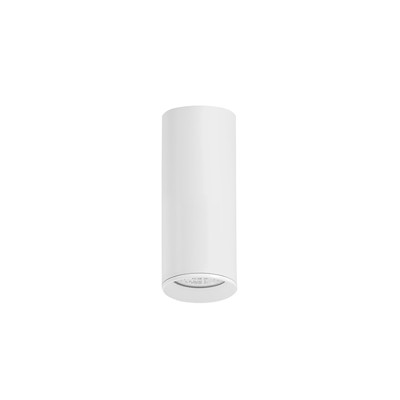
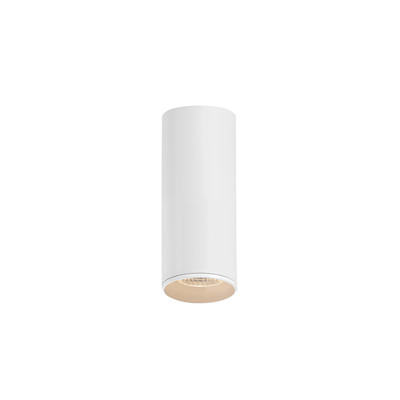
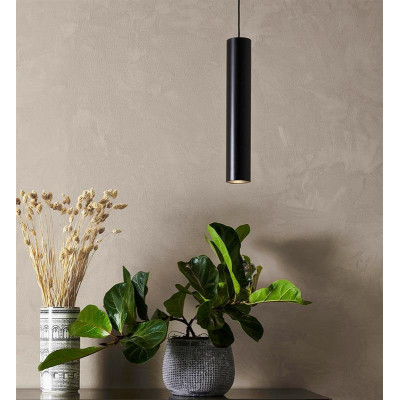
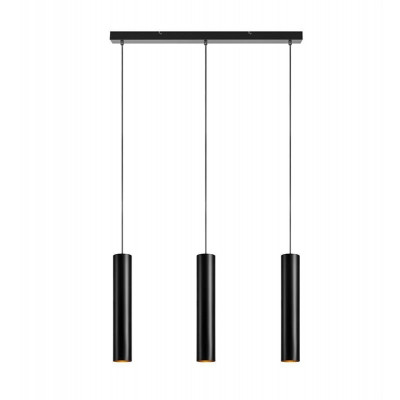
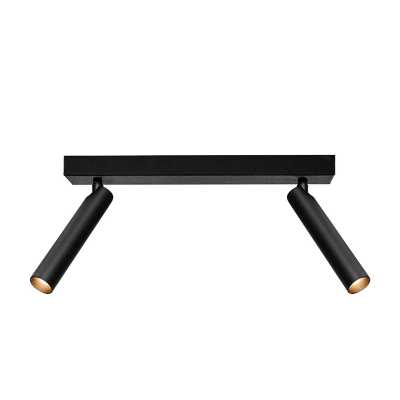
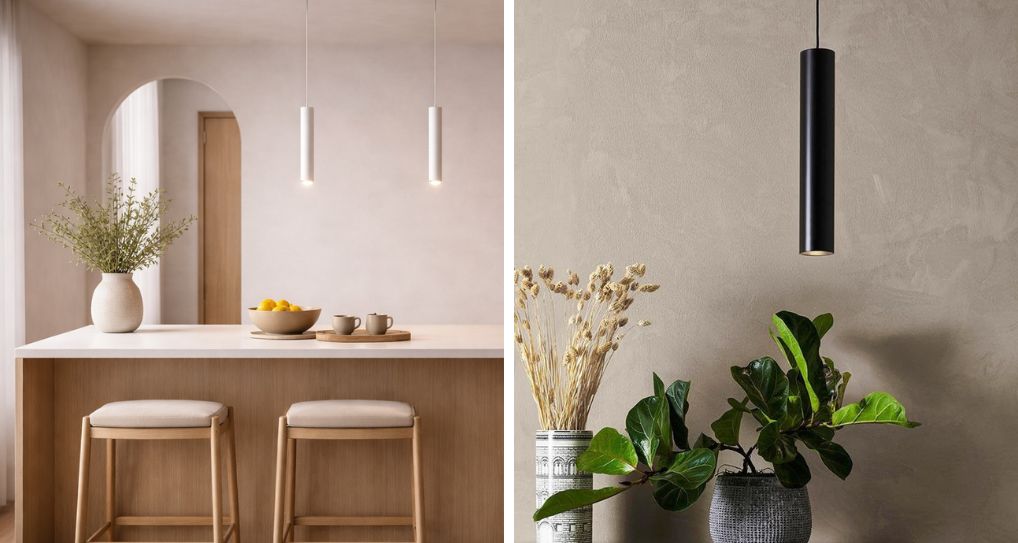
A tubular lamp is a fixture with a simple, cylindrical form, most often mounted directly to the ceiling. It can function as a single light point or as a set of several repeating elements. Its defining feature is directional light – instead of spreading widely, it concentrates the beam in one precisely selected spot.
This feature is what distinguishes it from classic lamps with shades or models that provide uniform ambient lighting. A tube doesn’t flood the room with light; instead, it highlights specific areas of the interior and allows you to consciously shape its proportions.
Now let’s get to the point… In which interiors do tubular lamps work best?
Modern and minimalist interiors
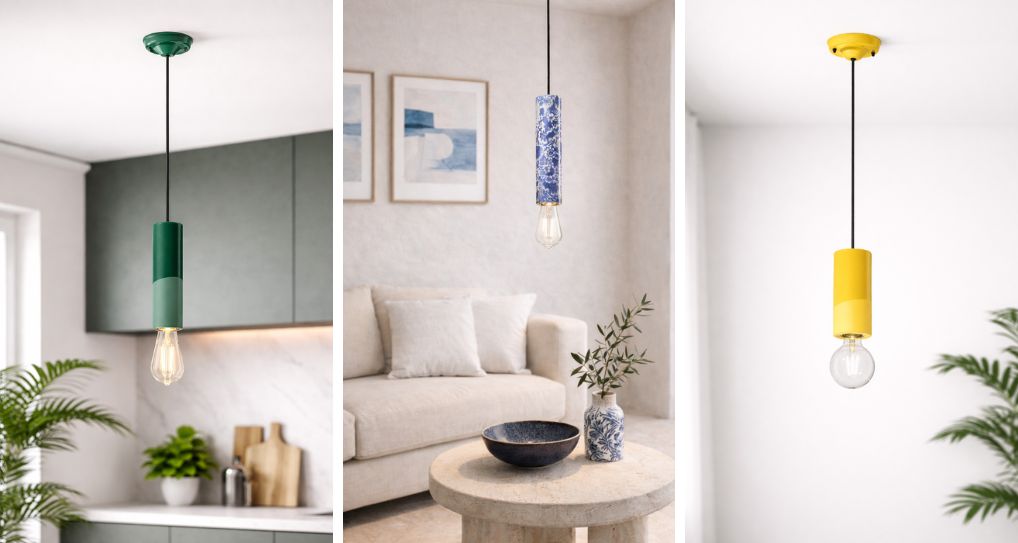
In modern and minimalist interiors, tubular lamps feel the most natural. Their simple, geometric form pairs perfectly with restrained architecture, smooth surfaces, and a muted color palette.
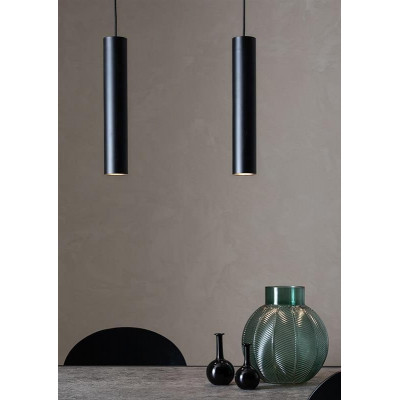
Instead of decorating the ceiling, tubes visually organize it and allow you to precisely plan interior lighting. Single points arranged at thoughtful intervals or repeating lines above a table, kitchen island, or along a passageway bring cohesion to the space. The light is not accidental. It appears exactly where it is needed – above the countertop, in the conversation area, in the spot you want to emphasize.
In minimalist arrangements, such precision is especially important. When form is restrained, light takes on the role of the element that organizes proportions and gives the space a clear structure.
Loft and industrial style
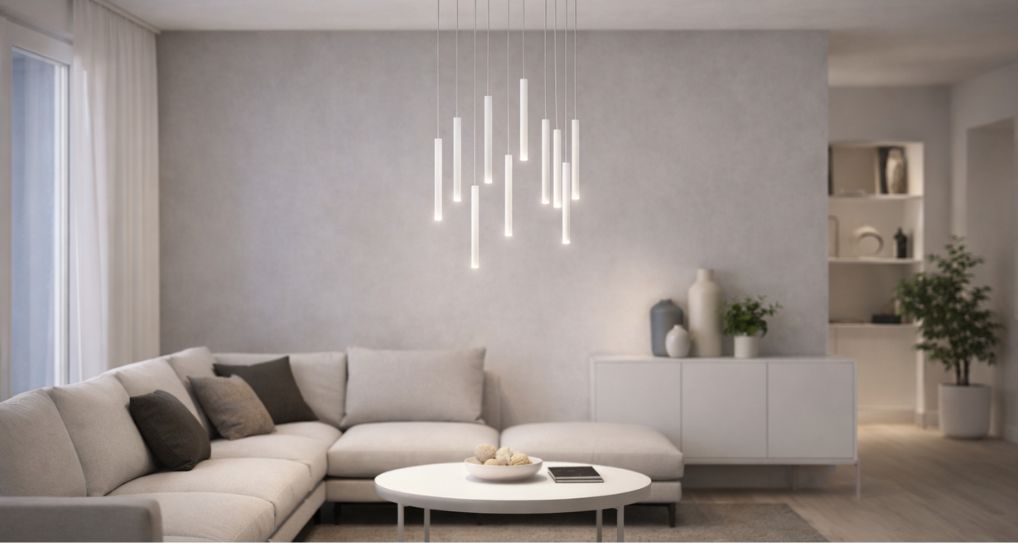
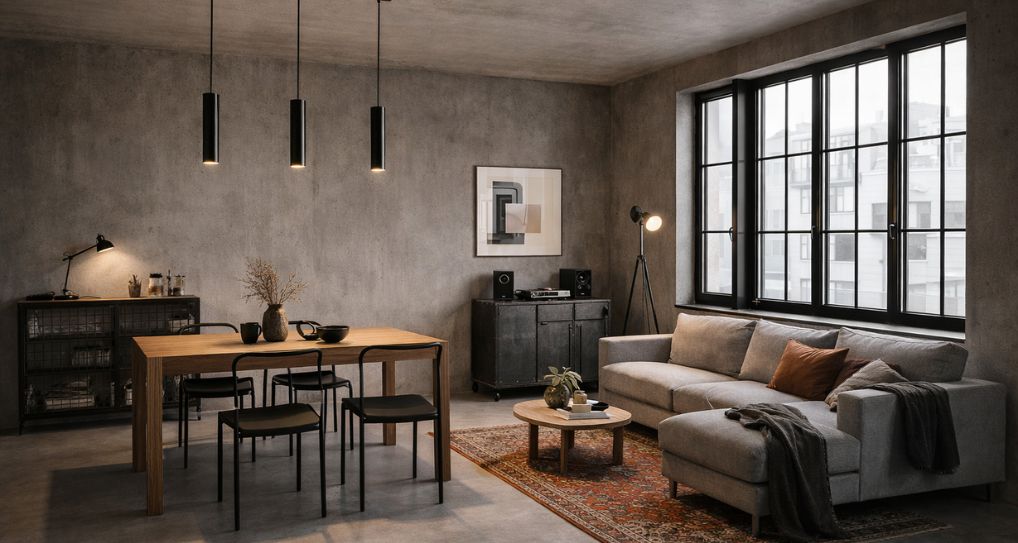
Tubular lamps also work beautifully in loft and industrial interiors. Raw materials such as concrete, brick, or metal create a natural backdrop for them. The cylindrical form of the fixture refers to the technical character of such spaces and does not compete with the architecture, but subtly enhances it.
In open, high-ceiling interiors, tubes often serve a dual function. They provide precise, directional light where it’s needed (above a table, kitchen island, or workspace) while also helping to visually organize large spaces. The repetition of the form introduces rhythm and prevents the ceiling from feeling like an empty, accidental surface.
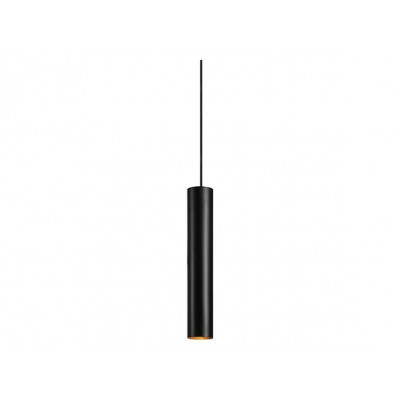
In loft arrangements, they pair best with more expressive fixtures: metal pendant lamps or wall lights with a raw, industrial form. Tubes can then take on the role of task lighting, while pendant lamps and wall lights build atmosphere and complete the composition. This combination creates a balance between functionality and character: the raw aesthetic remains, but the space gains depth and a consciously planned lighting structure.
Kitchen and dining room – light that works
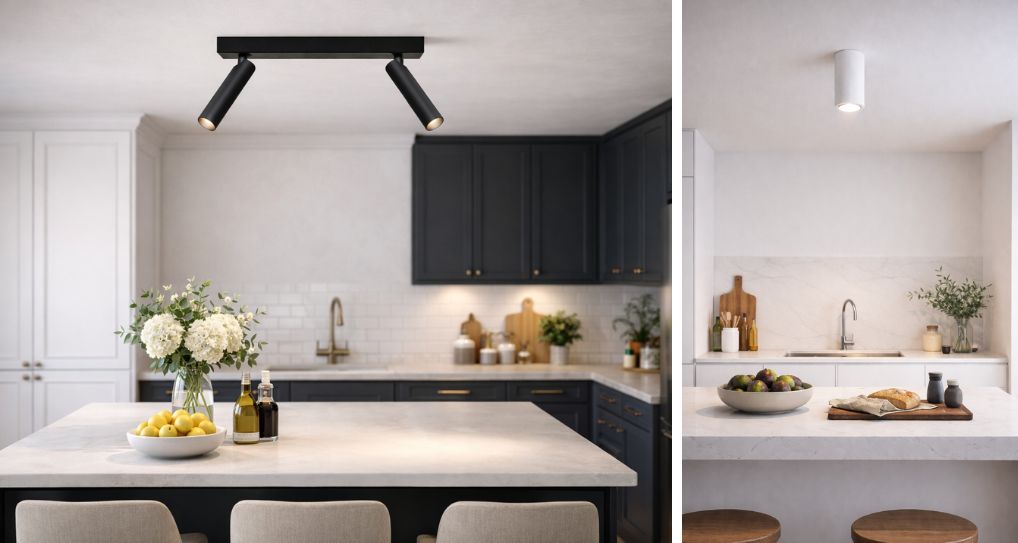
The kitchen and dining room are spaces where light truly works. Precision matters here – both while cooking and during gatherings at the table. Tubular lamps perform especially well in these areas because they direct light exactly where it’s needed: onto the countertop, kitchen island, or the central part of the table.
In open-plan interiors connected to the living room, their role becomes even more significant. Instead of creating divisions with walls or furniture, they define zones with light. After dark, it is light that determines whether the space remains clear and organized or begins to “spill over” and lose its proportions.
In kitchens, it’s also worth paying attention to the technical parameters of the fixtures. Models with a higher protection rating, such as IP44, perform better in areas exposed to moisture and temperature changes. This solution is particularly useful above the sink or near cooking zones, where lighting should be not only aesthetic but also durable and safe.
Bedroom in a modern version
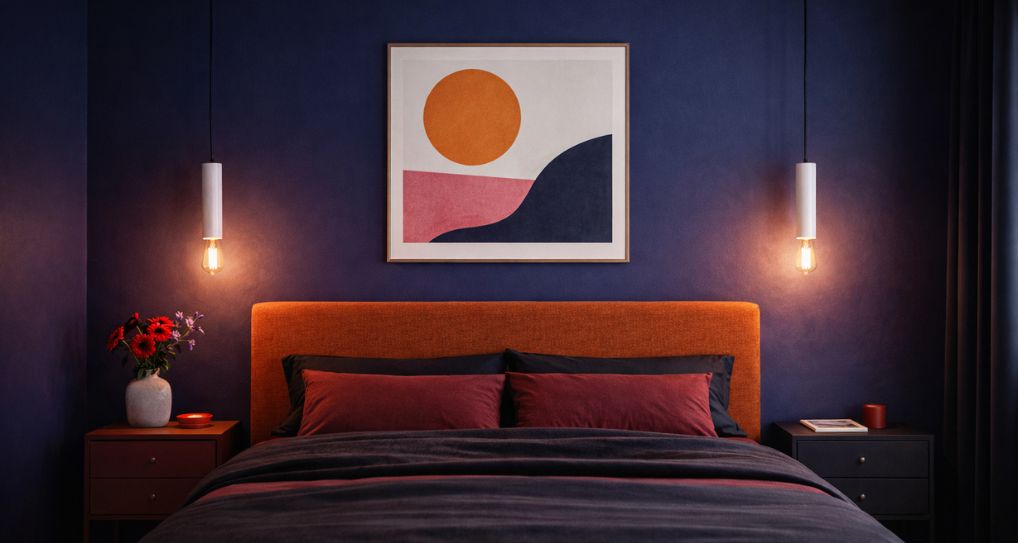
Although tubular lamps are most often associated with living spaces, they are increasingly entering the bedroom as well. In modern interiors, suspended symmetrically on both sides of the bed or mounted as wall lights, they replace classic bedside lamps and introduce greater order around the sleeping area. This solution works especially well where lightness of form and visual discipline matter.
Their presence does not have to mean a cold, technical effect. Everything depends on the light. In the bedroom, color temperature is key – warm, soft, and conducive to relaxation. Thanks to a properly selected LED bulb, the beam is not harsh or tiring, but subtly highlights the texture of the wall, headboard, or bedding. As a result, even the simple, geometric form of a tube fits into a calm atmosphere instead of disturbing it. It’s also worth remembering that one light source is rarely enough in this zone.
Tubes by the bed work beautifully with gentle ambient lighting, for example a floor lamp or subtle ceiling lighting. This combination allows you to adjust the mood to the time of day and your current needs.
Hallways, entryways and transitional spaces
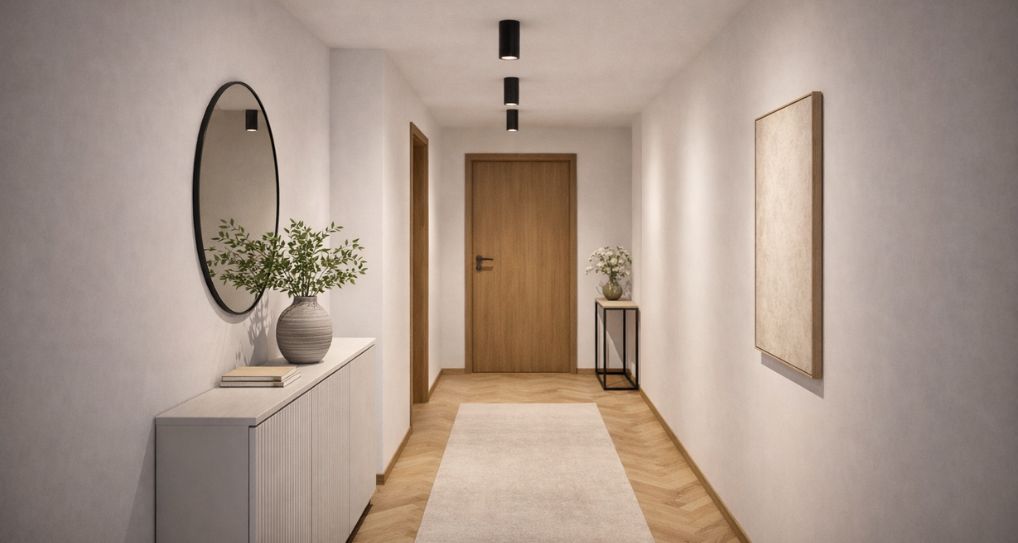
Tubular lamps also work well in hallways and entryways, especially in tall or clearly elongated spaces. These areas are often treated as purely functional, yet this is where light can have the strongest impact on how proportions are perceived.
The repetition of cylindrical fixtures introduces rhythm and guides the eye along the circulation axis. The directional beam highlights walls, plaster textures, or architectural details instead of spreading uncontrollably. As a result, even a narrow hallway can gain a more organized and deliberately designed character.
In transitional spaces, lighting stops being merely a practical addition. It begins to shape the first impression and seamlessly connect different parts of the home. Even a neutral, seemingly “technical” space gains depth when light is planned with the same attention as in the living room or bedroom.
Summary
Tubular lamps work best where light is meant to be part of a conscious design concept rather than just decoration. In modern and loft interiors, they organize the ceiling, emphasize proportions, and help define zones without creating physical divisions. In the kitchen, they work functionally; in the bedroom, they introduce formal discipline; in the hallway, they give rhythm to the entire space.
If you are looking for tubular lamps that combine precise form with refined light, visit our store. You will find models tailored to different styles and needs – from minimalist to loft – helping you design cohesive lighting throughout your interior.