
Jednakowe lampy czy różne modele? Jak łączyć oświetlenie w otwartej przestrzeni
-
Author
Izabela Seliga -
Date added
- 1001 views
An open-plan space in a house or apartment may look like a single interior, but throughout the day it serves several completely different functions. In the morning, you need strong light above the kitchen worktop, even lighting at the table, and in the evening, a gentle lamp next to the sofa.
It is difficult to meet all these needs with a single type of light fitting. That is why the lamps in a living room combined with a kitchen and dining area do not have to be identical. They should, however, work well together both visually and functionally.
Find out how to combine different models, colours and forms so that the lighting highlights the character of individual zones and creates a cohesive whole.
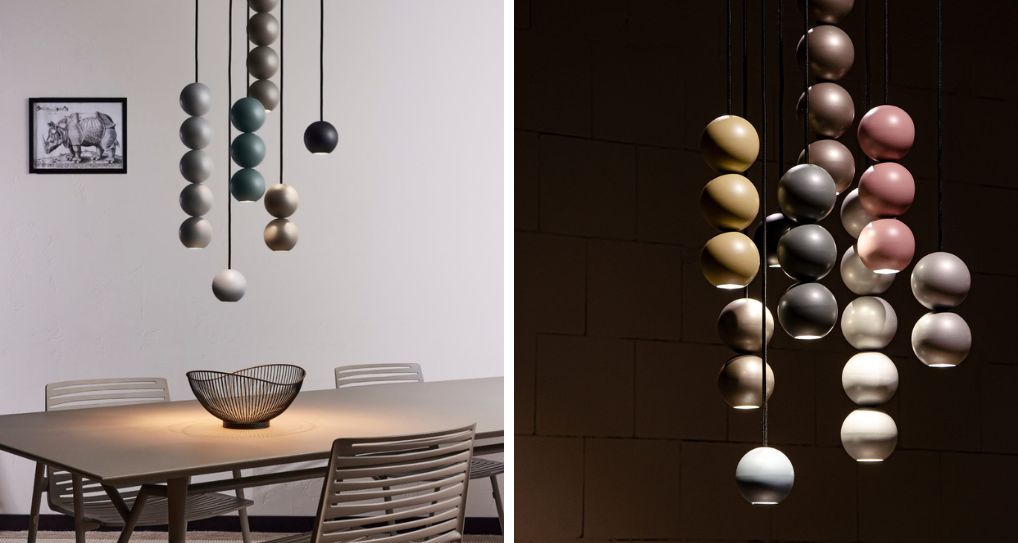
Do the lamps in a living room with a kitchen and dining area have to be identical?
The short answer is no. However, they should look as though their combination was a conscious decision.
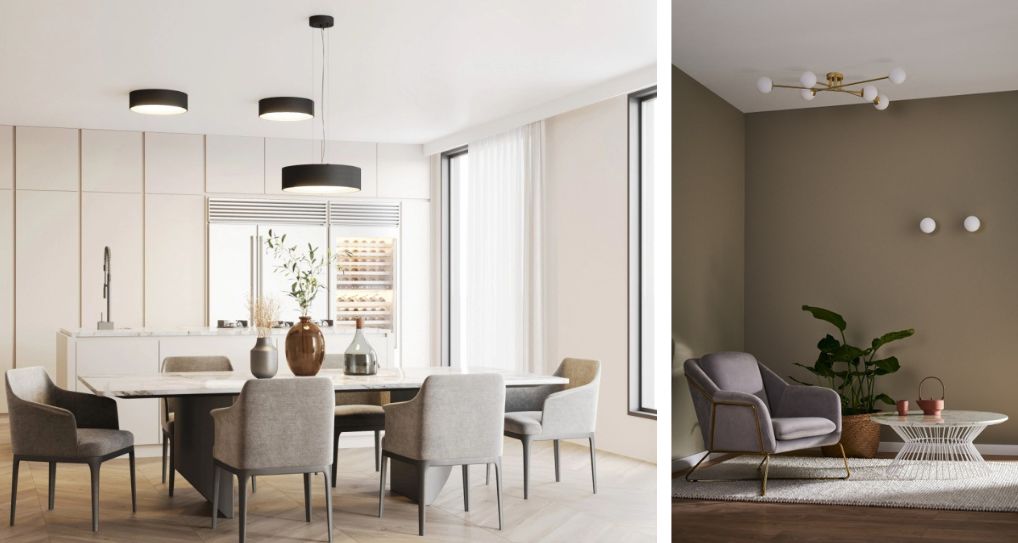
Matching lamps bring order and create a sense of harmony. They work well above a kitchen island or a long worktop, as well as in minimalist interiors. Different models offer greater freedom. A decorative pendant can be placed above the table, simpler task lighting in the kitchen, and in the living room a ceiling light, wall light and a floor lamp.
Remember that cohesion does not mean uniformity. Sometimes one shared element is enough, such as the colour, material or shape of the shade.
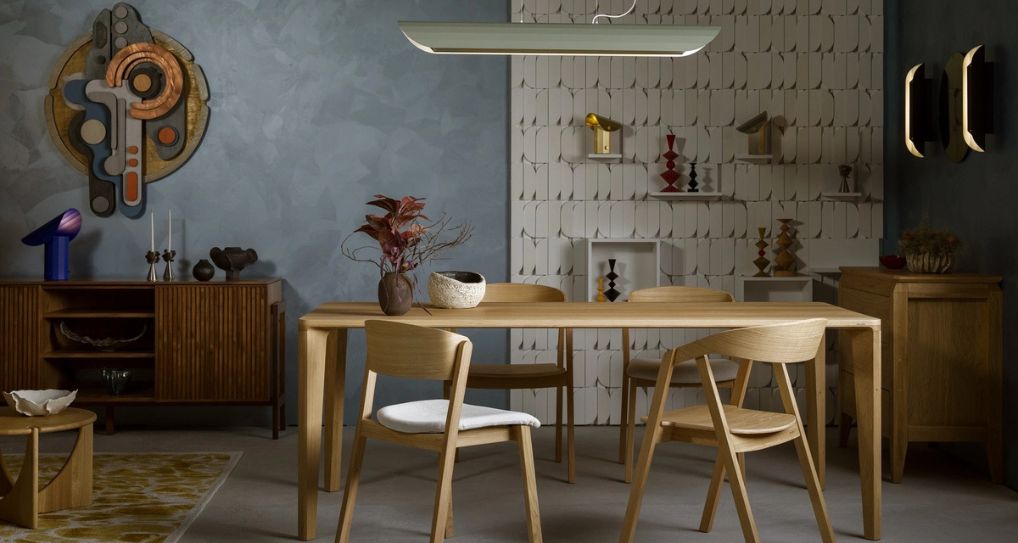
How should you plan lighting in an open-plan space?
Think of the interior as a day-long scenario. In the morning, you need stronger light above the worktop and at the table, while in the evening, side lighting creates a calmer atmosphere.
Lighting for the kitchen and worktop
The worktop should be evenly illuminated, so decorative pendants are worth complementing with under-cabinet lighting, spotlights or a track lighting system.
Lamps above a kitchen island
Two or three smaller pendant lights, a linear pendant light or a larger composition suited to the length of the worktop will work well above an island.
A lamp above the dining table
A lamp above the table defines the centre of the dining area. It can be the most decorative element in the space, provided the other fittings do not compete with it.
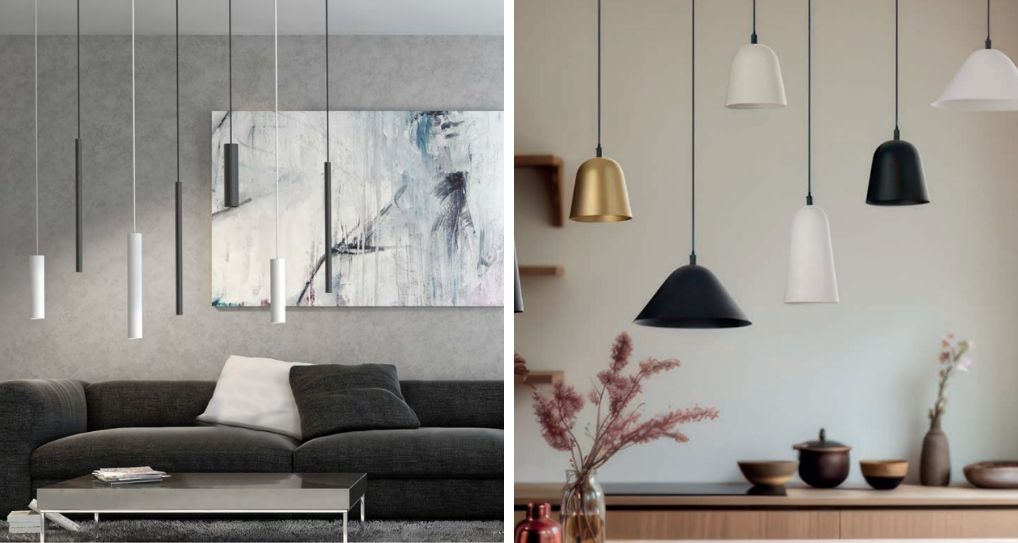
How can you combine lamps from one collection in an open-plan space?
A safe way to combine different light fittings is to choose an extensive collection. A recurring shade, colour or detail ensures cohesion despite the different functions.
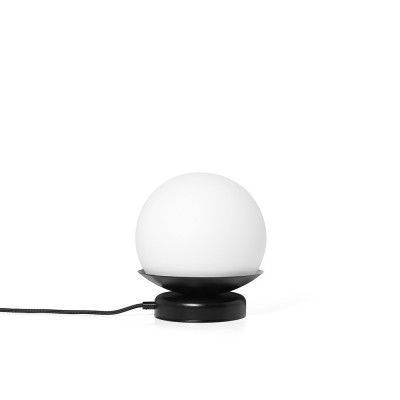
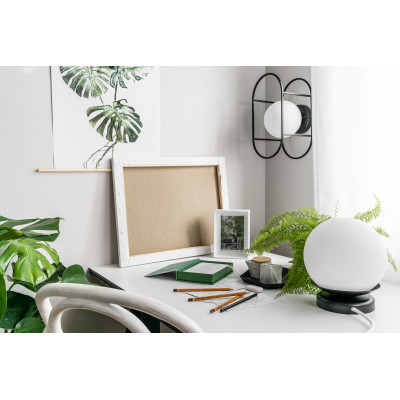
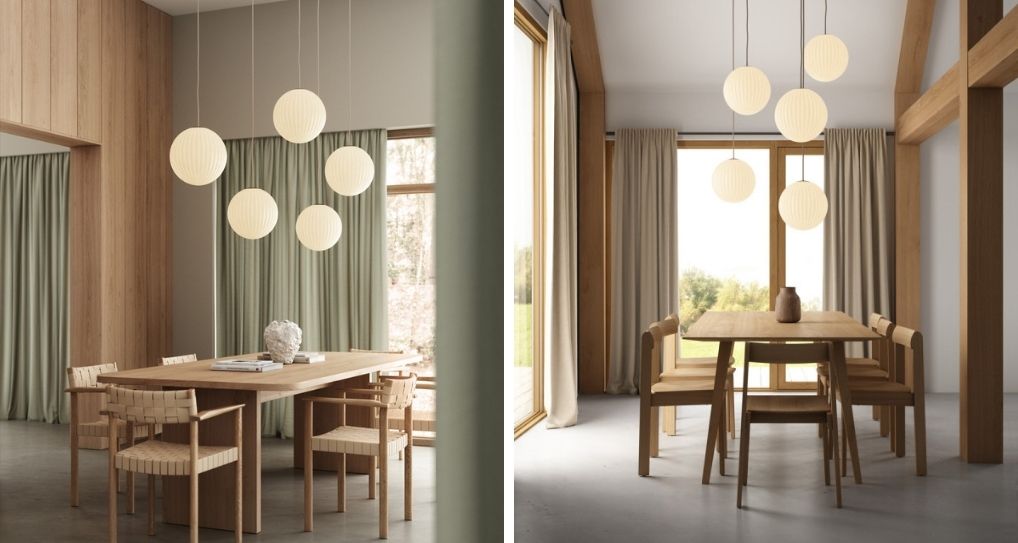
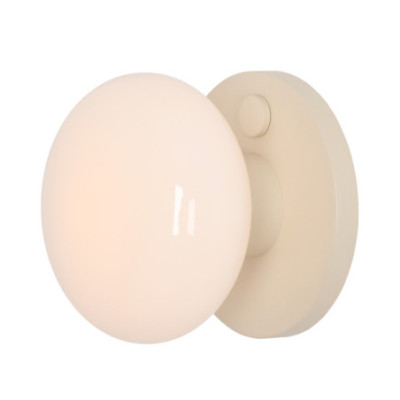
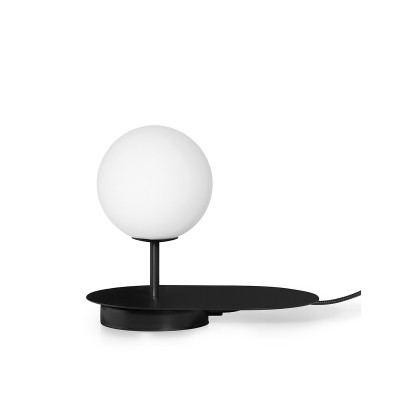
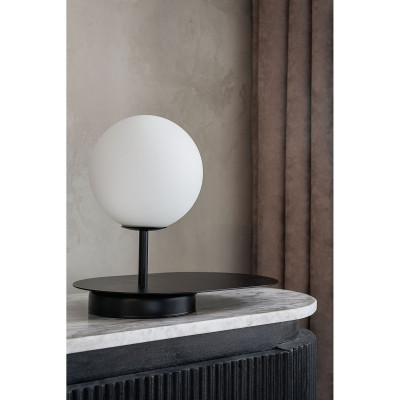
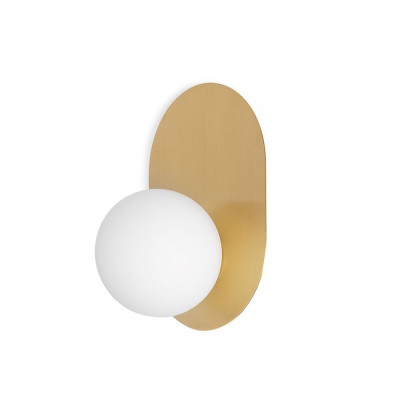
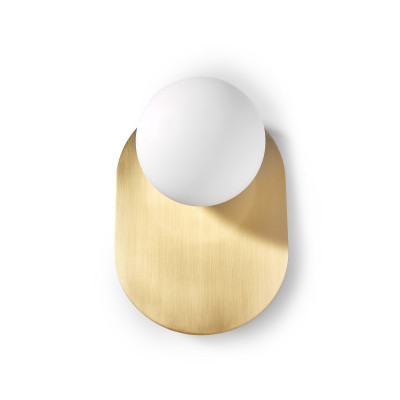
A good example is the KUUL collection by UMMO Lighting, featuring white glass globes. Above the table, you can use the KUUL E pendant light or KUUL G, in another part of the room the KUUL B ceiling light, and next to the sofa the KUUL D wall light or KUUL ST table lamp. Each fitting looks different, but the shared shade shape guides the eye through the entire interior.
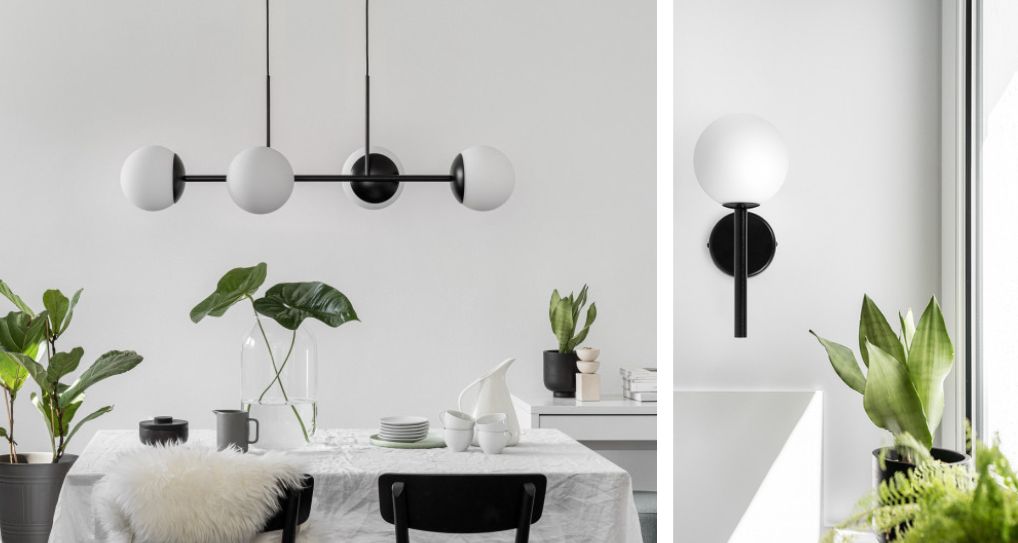
Can lamps have the same style but different sizes?
The answer is yes. A small pendant may look good above a worktop but disappear above a large table. A more elaborate fitting, on the other hand, may overwhelm a small kitchen.
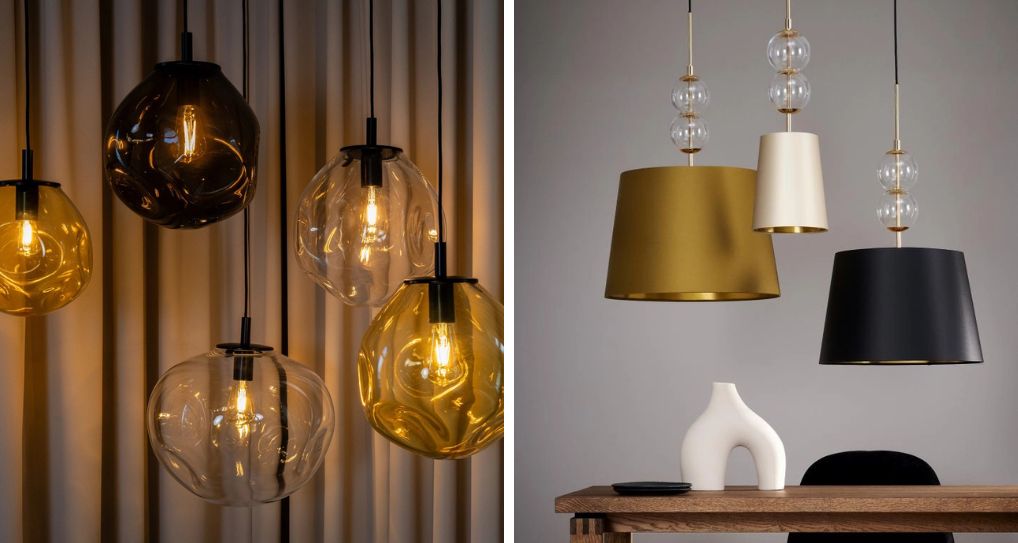
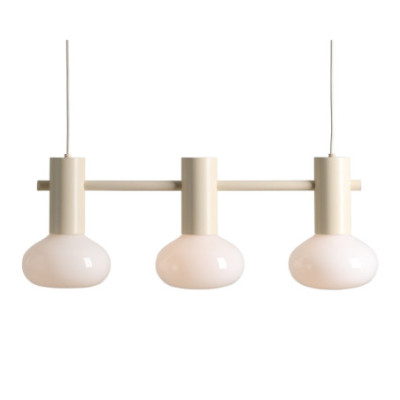
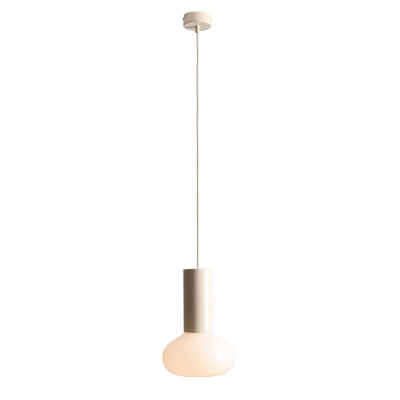
FLO collection by Artera shows how to maintain the same style while varying the scale and function of the fittings. The single FLO Cream M pendant light can illuminate a smaller table or breakfast bar, while the three-light FLO 3 Cream S can define the dining area more strongly. In the lounge area or at a desk, the arrangement can be complemented by the FLO Cream S wall light and FLO Cream S desk lamp. The cream finish and glass shades connect all the models, while their different forms and sizes allow them to be adapted to the needs of individual zones.
How can you combine matching lamps in different colours?
Colour does not always have to be the common denominator. Sometimes a recurring form is enough.
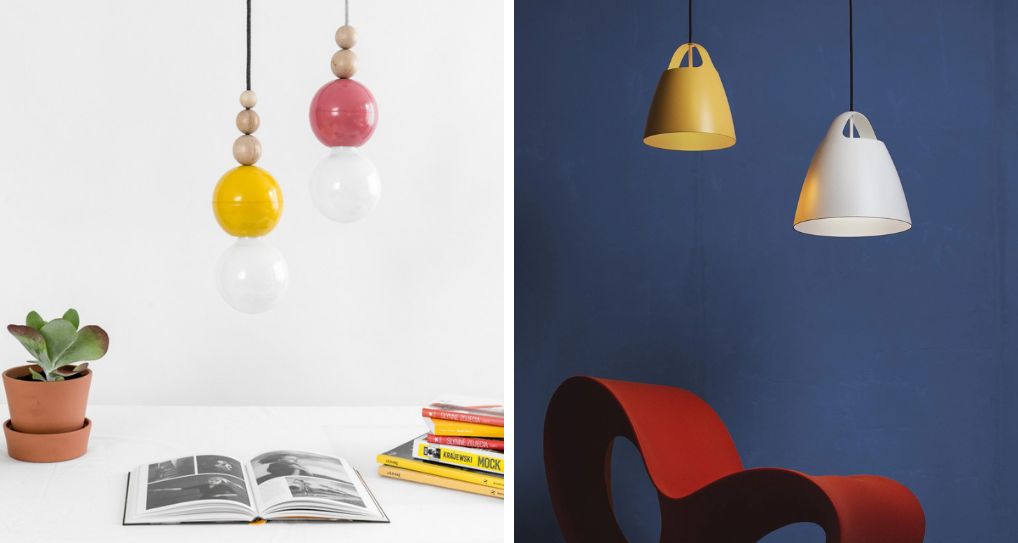
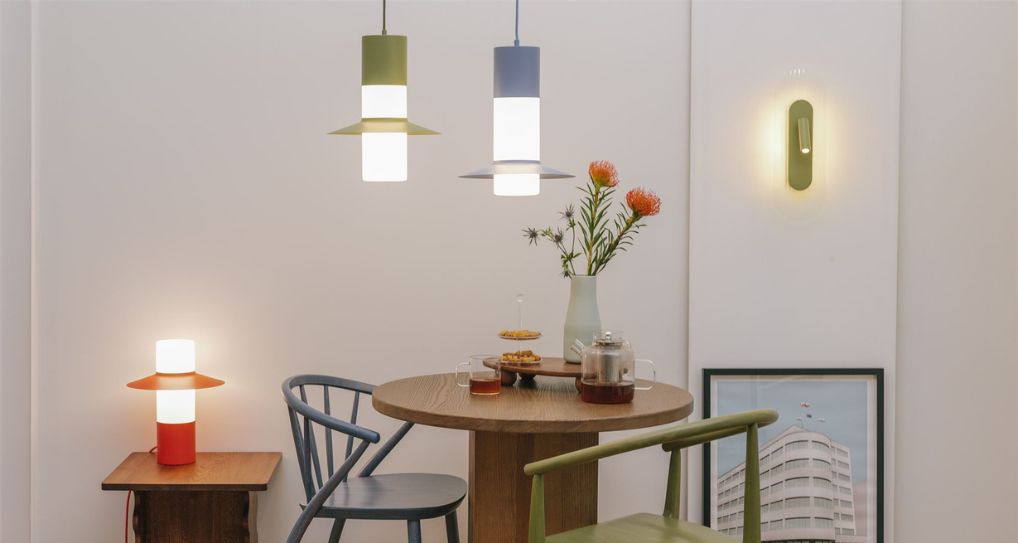
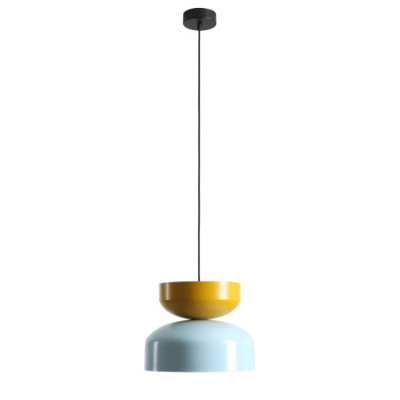
Tula lamps by Artera share the same distinctive shape but are available in two-colour variants. You can repeat the same model above the island and table, choosing versions linked by a shared shade, such as coral or mustard. The interior will remain cohesive without looking like a typical matching set.
With colourful lamps, the remaining lighting should be discreet. A simple ceiling light or neutral spotlights will allow expressive, multicoloured models to play the leading role.
How should you choose the main lamp for a living room with a dining area and kitchen?
A common mistake is choosing a statement lamp for every zone. When each one tries to attract attention, the interior loses its hierarchy.
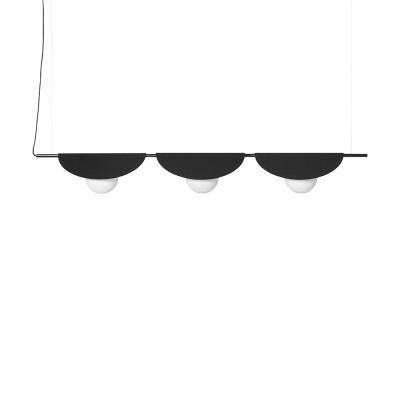
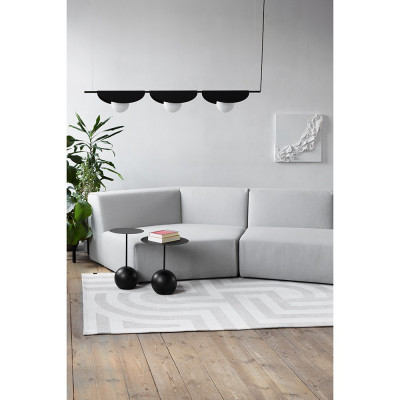
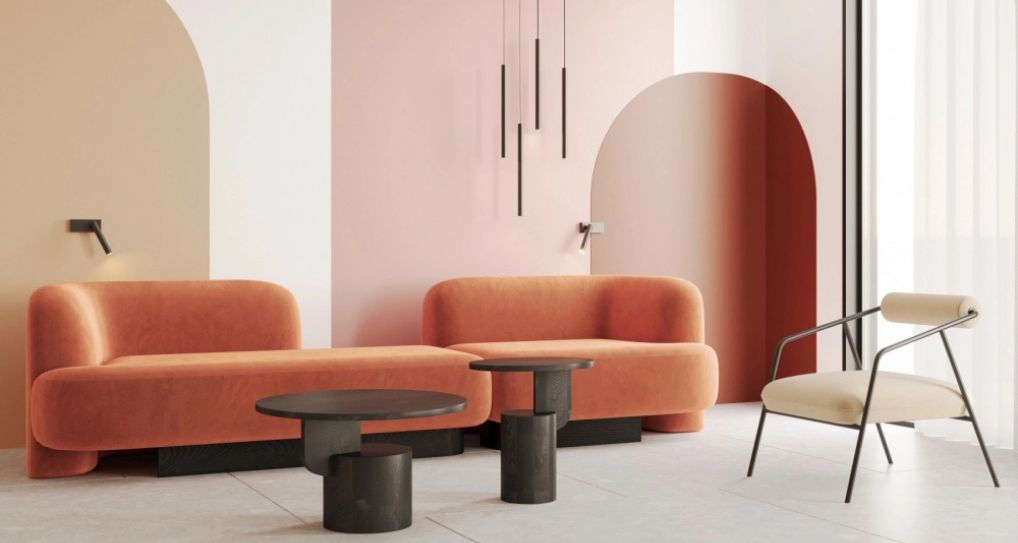
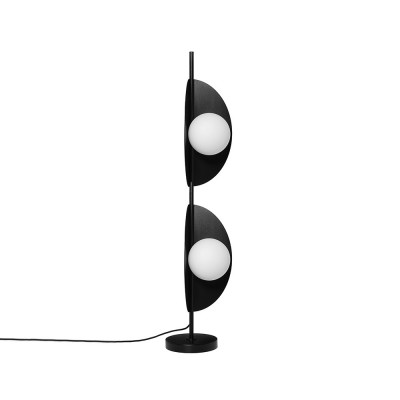
It is better to choose one main lamp and complement it with more understated lighting. This role can be fulfilled by the three-light SALLO C pendant lamp by UMMO Lighting above the table or a large island. You can pair it with the SALLO D wall light or the SALLO F floor lamp. Repeated milky-white shades and flowing lines will maintain cohesion, while the pendant model will remain the strongest accent in the room.
How can you combine lamps from different collections?
Lamps from different ranges can create a cohesive whole if they share a clear common denominator.
A shared lamp colour
The simplest approach is to repeat the colour of the metal or fabric cable, for example black, white, brass or burgundy. The finish does not have to be exactly the same everywhere. What matters is that it reappears at several points in the arrangement.
Similar shapes and type of shade
Spherical, conical or organic shades can connect models with different constructions. One example is combining the KUUL collection with HANEA light fittings by UMMO Lighting. They are not identical, but their white glass shades create a visual bridge between them.
The same material or finish
Glass, ceramic, wood, fabric or lacquered metal can recur in different zones. However, it is better to limit the number of materials competing with one another.
Different lamps in one interior style
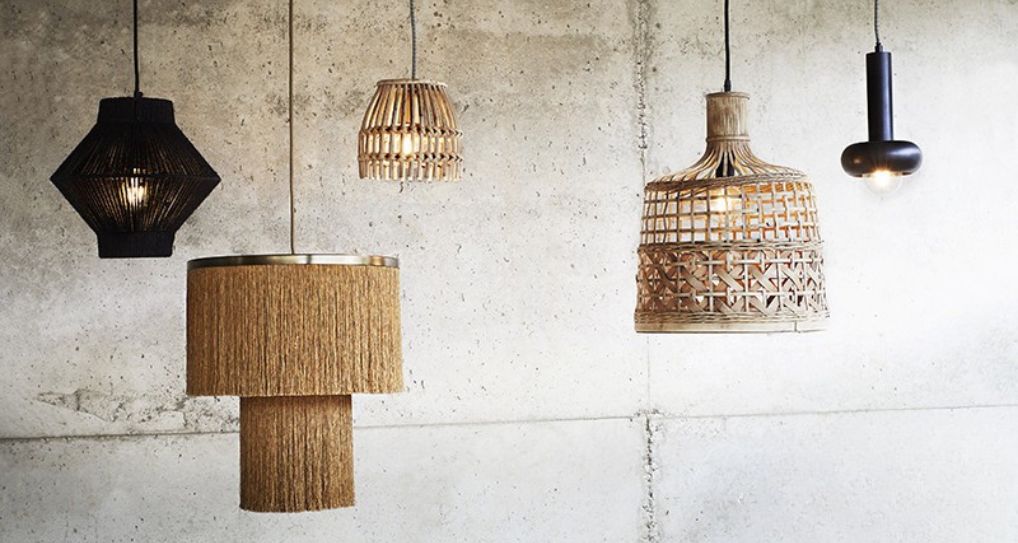
Lamps can differ in colour and shape if they refer to the same aesthetic. In a retro arrangement, they can be linked by spherical shades, in a boho interior by natural materials, and in a minimalist space by simple forms.
A simple rule: choose one shared element and one variable element, for example the same material and different shapes.
What colour temperature works in an open-plan space?
Cohesion should also be visible when the lamps are switched on. Very warm light in the living room combined with cool light above the table can divide the interior unnecessarily.
In an open-plan space, a colour temperature of around 2700–3000 K works well. The kitchen can be brighter than the living room, but the shade of the light should remain similar. Remember to plan separate circuits so that the lighting in the kitchen and living room can operate independently.
How do you match the size of a lamp to a table and island?
The lamp should suit the scale of the furniture. One that is too small will disappear, while one that is too large will disrupt the proportions. A linear fitting, a multi-light model or several smaller pendants looks good above a long table. A single centrally positioned lamp works beautifully above a round tabletop. Remember that, in the case of an island, you also need to consider the extractor hood, tall cabinetry and the view from the living room.
Pro tip: before buying, you can recreate the size of the lamp using cardboard or a paper template. This simple test will show whether the chosen model is too small or overwhelming.
At what height should lamps be hung in an open-plan space?
Above a table, the bottom edge of the lamp is usually positioned around 75–90 cm above the tabletop. This height illuminates the surface without obscuring the faces of people sitting opposite one another.
Above a kitchen island, follow a similar principle, but take into account the height of the household members, the size of the shade and the viewing angle from the living room.
The most common mistakes when combining lamps in a living room with a kitchen
Most often, the problem is not choosing the wrong lamp but failing to plan the entire interior. Discover the most common mistakes and how to avoid them.
- Choosing several equally expressive lamps – decide which fitting should play the leading role and treat the others as more understated additions.
- Combining models that have nothing in common – find one shared element, such as the colour, material, shade shape or style.
- Buying all lamps from one collection without considering the functions of the zones – choose fittings primarily according to how the kitchen, dining area and living room are used, and only then look for visual cohesion.
- Mixing different colour temperatures in one space – choose light sources with a similar colour temperature, especially if the lamps are visible at the same time.
- Choosing a lamp that is the wrong size for the table or island – consider the width and length of the furniture, as well as the proportions of the entire zone. Before buying, you can recreate the lamp’s size using a paper template.
- Hanging a lamp too high or too low – adjust the height to the size of the shade, the height of the household members and the lines of sight between individual zones.
- Relying entirely on ceiling lamps – combine general lighting with task lighting, wall lights, table lamps and floor lamps.
- Choosing lamps without checking how they look together – place images of all the models side by side and assess them as one composition rather than as separate products.
Matching or different lamps for an open-plan space – which should you choose?
Matching lamps, different variants from one collection, or perhaps models connected by a shared colour or material? Any of these solutions can look good if it results from the function of the interior and a carefully considered plan.
At KoloroweKable.pl, you will find an extensive range of pendant lights, ceiling lights, wall lights, table lamps and floor lamps that will help you create cohesive lighting for your kitchen, dining area and living room. Explore the available models and create the interior of your dreams.
Related products

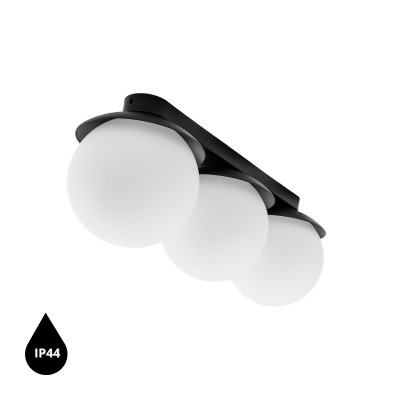
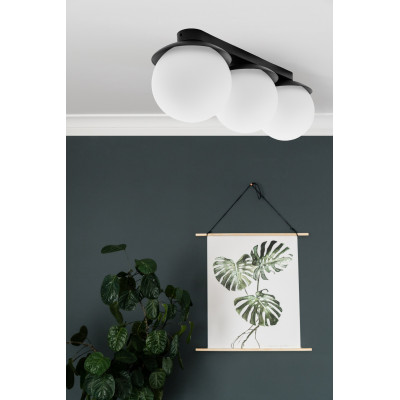
KUUL B ceiling lamp / plafond IP44 UMMO 24h


- On sale!
- -150.00 zł