
How to choose the right lampshade? A practical guide to style, size and proportions
-
Author
Joanna Bitowt -
Date added
- 2417 views
Sometimes all it takes is changing the lampshade to make the entire lamp look completely different—better suited, more in sync with your interior, and simply more you. But the choice shouldn’t be random. Shape, size, color, and mounting method—all of it matters. In this article, we’ll show you how to choose a lampshade not only in terms of aesthetics but also functionality.
Start with proportions
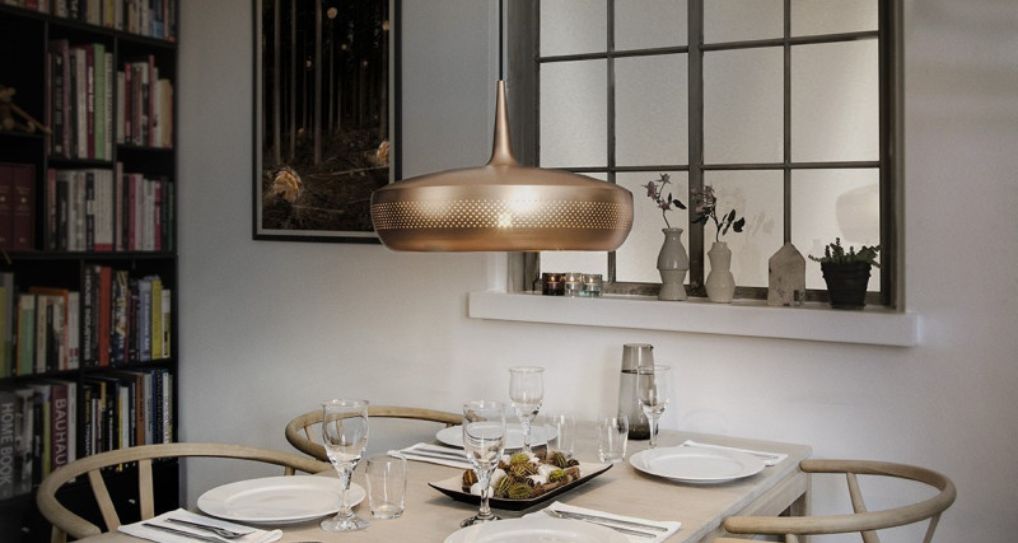
When choosing a lampshade, start by paying attention to proportions. A general rule says that the shade’s width should be roughly twice the width of the base, and its height should be around two-thirds of the total height of the lamp. These proportions create visual balance and work well in most interiors. For floor or table lamps, it’s also worth considering how the shade aligns with nearby furniture—it shouldn’t stick out past the edge of the table or overpower the lamp’s structure.
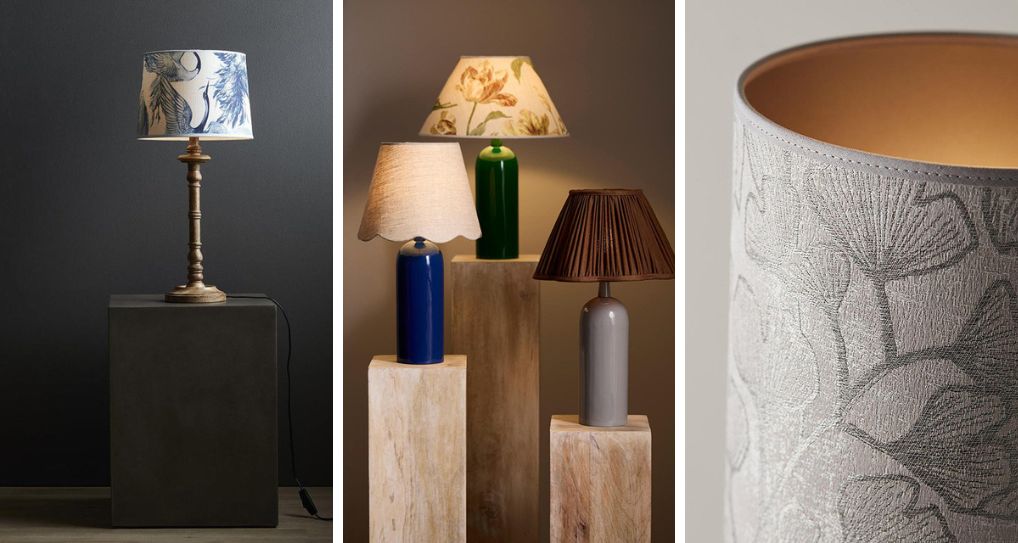
Style and shape: not everything goes with everything
Not every shade suits every lamp. Simple, cylindrical models fit well in modern interiors, while pleated, conical, or slightly decorative shapes will complement classic, retro, or rustic spaces.
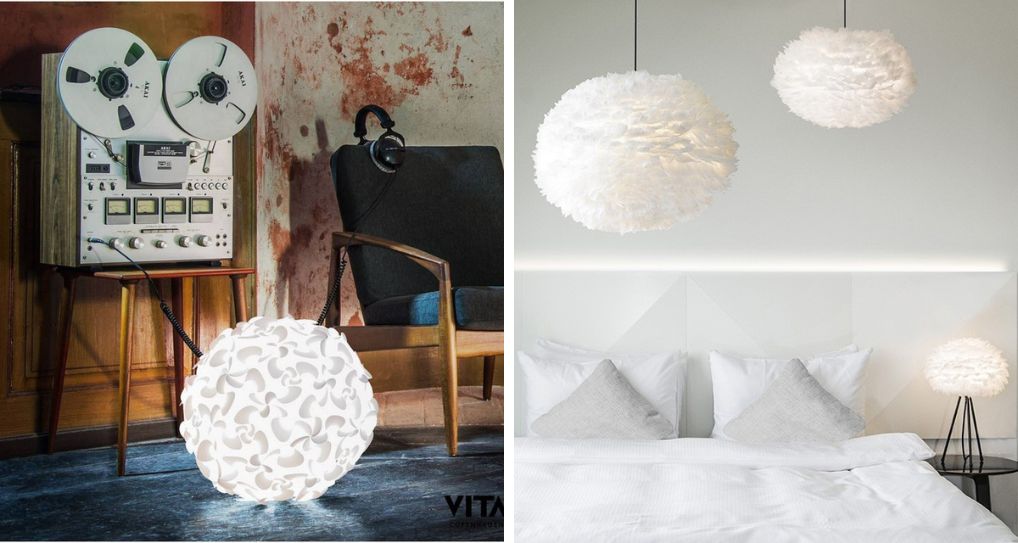
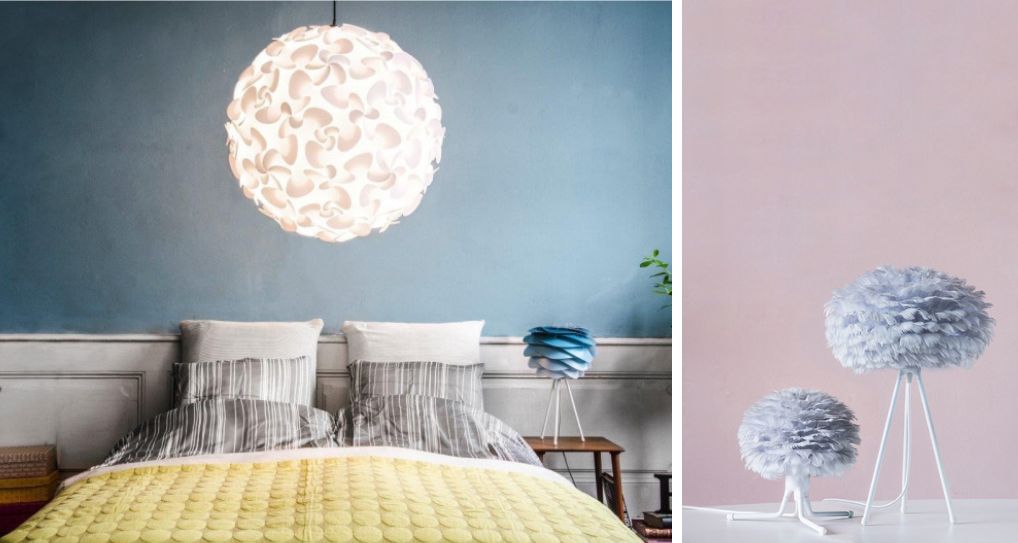
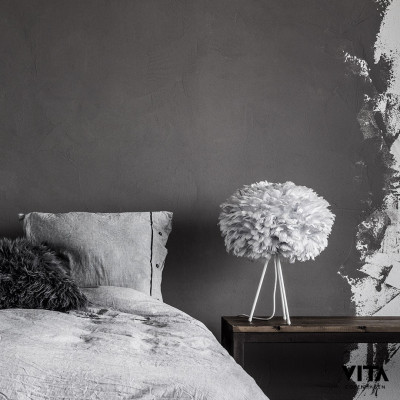
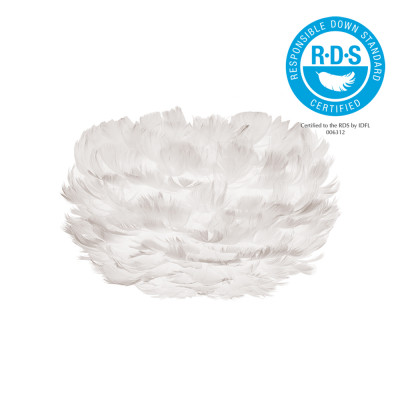
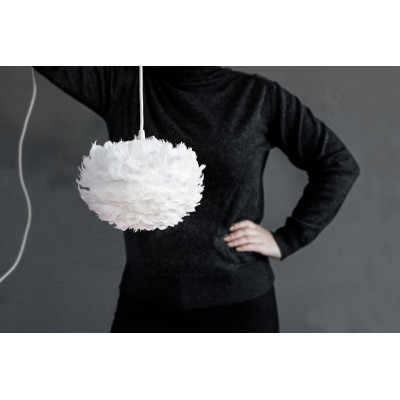
In our store, you’ll find lampshades ranging from minimalist to highly decorative. The brand UMAGE, for example, offers elegant feather-covered shades (Eos line), which make great accent pieces in bedrooms or living rooms.
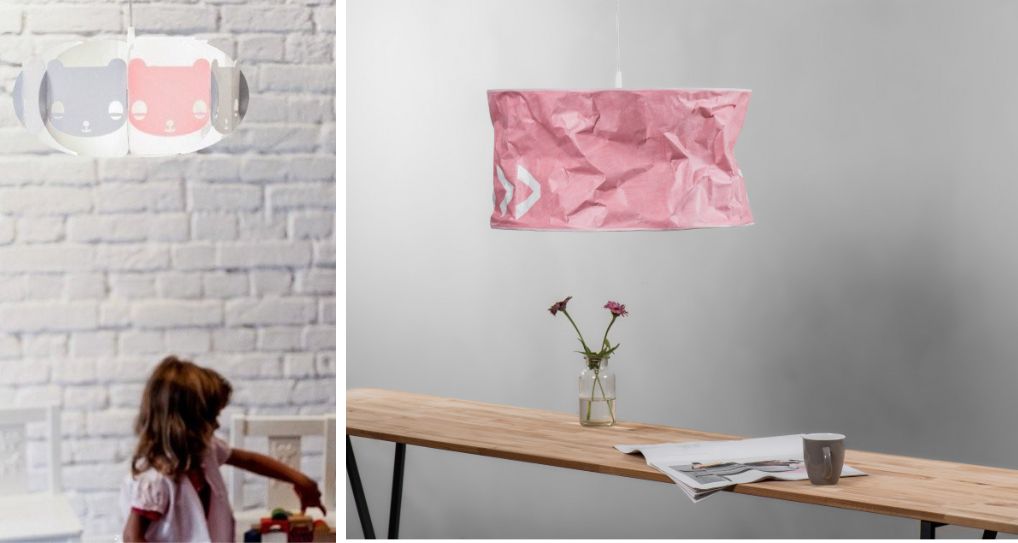
Kafti Design, on the other hand, is a great choice for kids’ rooms—lampshades shaped like animals or decorated with colorful patterns bring a touch of fun and playfulness to the space.
Tip: Lampshades for ceiling lights should be visually lightweight and proportional to the room size. Shades that are too large can visually lower the ceiling.
Color and light: more than just looks
The color of a lampshade affects not only its appearance but also how light spreads in the room. Light fabrics (white, beige, ivory) diffuse light evenly and add brightness to a space. Darker tones (charcoal, bottle green, navy) direct light upward and downward, creating a more intimate atmosphere.
You can also approach color strategically—by matching the shade with a fabric-covered cable, bed frame, or wall color. Keep in mind that bold colors and patterns look best in spaces with ample natural light.
Interestingly, lampshades for floor lamps follow slightly different rules. Because of the larger scale of the fixture, it’s best to go for bigger, more stable forms that visually balance the lamp. Cylindrical fabric shades, lightweight woven materials, or geometric shapes work especially well here—they won’t overwhelm the interior but will still serve as a noticeable design element.
Materiał ma znaczenie
The material of the shade directly influences the light quality and ambiance. Natural fabrics like linen or cotton offer a soft, warm glow—perfect for living rooms, bedrooms, or cozy corners. When it comes to flush-mounted ceiling lamps (plafons), which are installed close to the ceiling, it’s best to choose glass or lightweight materials that diffuse the light well without visually overwhelming the space.
Boho-style woven shades (e.g. Madam Stoltz) add texture and shifting shadows throughout the day. Frosted glass shades are ideal for neutral, diffused light—great above a table or in a hallway. Fans of minimalist design will appreciate Zangra's glass shades: simple, understated, and clean-lined—ideal for spaces where clarity and light dispersion matter most.
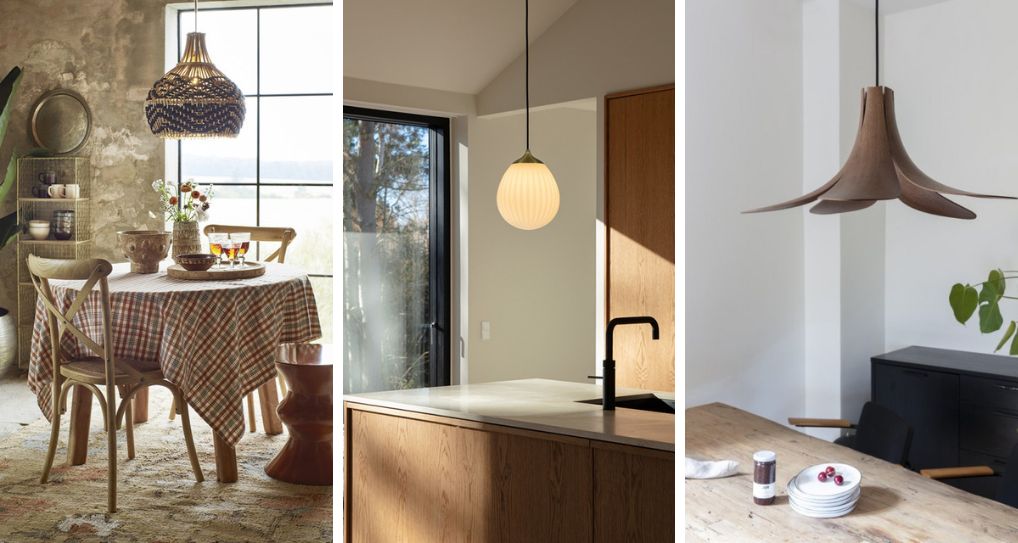
Tip: Don’t forget about ease of cleaning, especially in dust-prone areas.
Sprawdź mocowanie
Aesthetics are one thing, but the lampshade also has to fit the lamp technically. What should you pay attention to? Make sure the shade doesn’t block the light source or the switch mechanism, and that the fitting diameter matches the lamp’s specifications.
If you're building a lamp from scratch, the Creative-Cables system is a great option—it allows you to choose each component independently and tailor the lamp exactly to your needs.
Avoid random choices
Common mistakes?
- A shade that’s too short, exposing the bulb and fittings.
- A shade that’s too dark for rooms with little natural light.
- A bold pattern that clashes with everything else in the room.
Treat the lampshade as a key part of a bigger visual composition—not just a swap for the old one. It's also important to match it not only to the room but also to the function. Lightweight shades made of wicker, paper, or fabric don’t work everywhere. In a kitchen or hallway, go for glass or materials that are easy to clean.
Summary
A lampshade isn’t just a decorative accessory—it’s an important element of lighting design. A well-chosen shade can completely change the character of your indoor lighting: adding softness, texture, or color—without replacing the entire lamp.
At KoloroweKable.pl, you’ll find shades for pendant, table, and floor lamps that you can mix and match with fixtures, decorative bulbs, and fabric cords. If you’re aiming for a cohesive look, start right here. The right lampshade can transform the whole lamp—and bring out the best in it.
Related products
- On sale!
- -20%
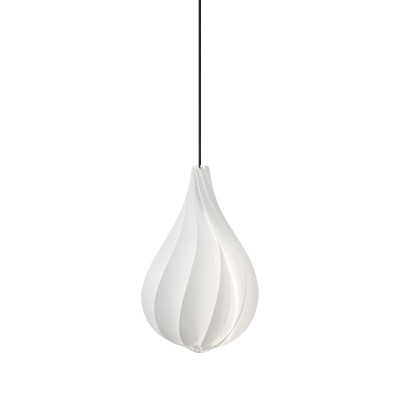
ALVA Medium white pendant lampshade – UMAGE



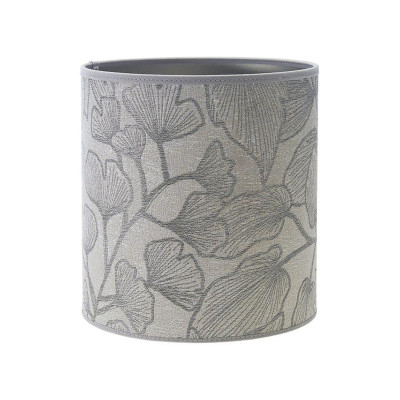
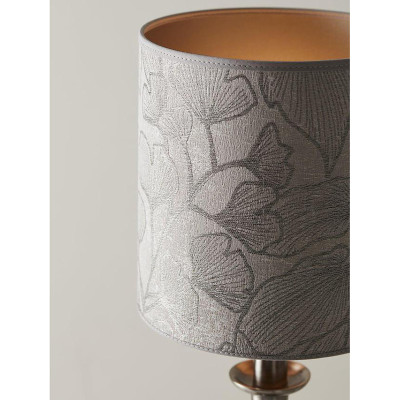
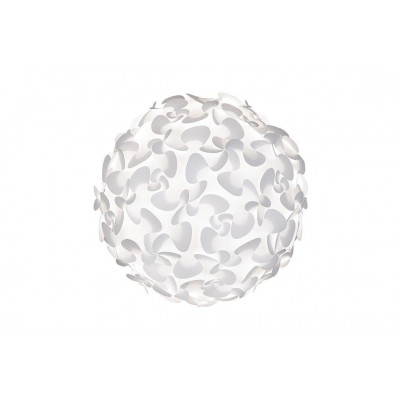
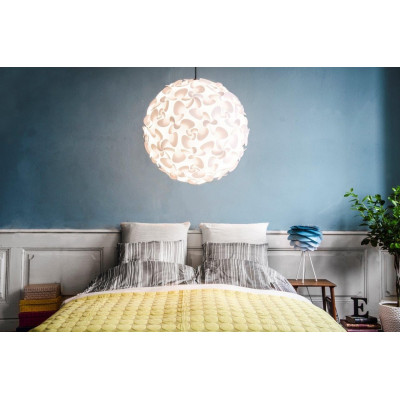
LORA XL white lampshade – UMAGE
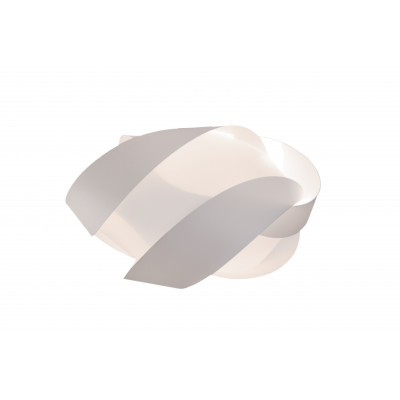
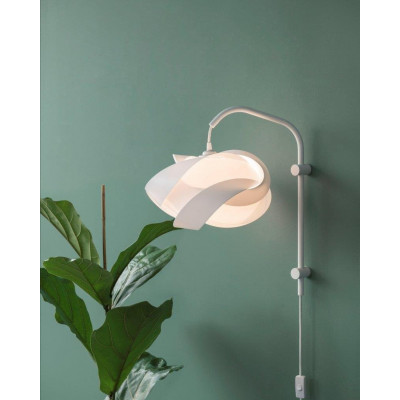
RIBBON Mini white lampshade – UMAGE