
How to choose a ceiling light? A practical guide
-
Author
Joanna Bitowt -
Date added
- 5172 views
Ceiling lights (plafonds) don’t always take center stage, but when needed, they do exactly what you expect: they light up the space without drawing too much attention. They’re perfect wherever practicality, low ceiling height and clean design matter most. But that doesn’t mean they have to be boring – many models now stand out with unique shapes and smart features. So how do you choose the right one when there are so many options? Here’s a simple guide to help you pick a ceiling light – without stress or compromises.

Where does a ceiling light work best?
In the hallway or corridor – functionality comes first. The light should be even, non-glare and reliable. A fixture mounted close to the ceiling saves space and distributes light evenly in narrow areas. If you value convenience, go for a model with a motion sensor – it’s especially useful when you come home with bags or wrangle a jacket off your child.

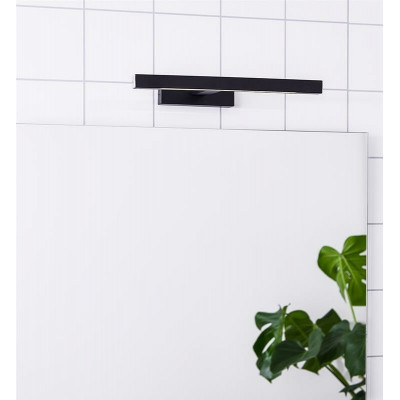
In the bathroom – where aesthetics must go hand in hand with safety. Look for fixtures with at least IP44, and in zones exposed to direct water contact, aim for IP65. Frosted diffusers are a great choice – they soften the light and protect sleepy eyes in the morning. We especially recommend UMMO lighting fixtures with IP44 – they combine modern design with reliability.

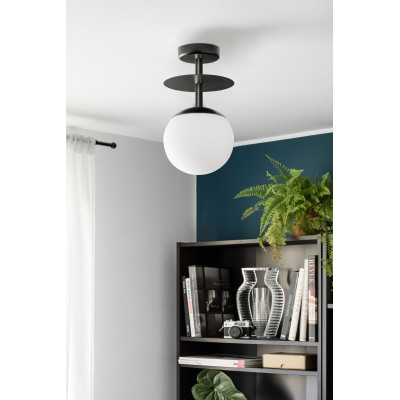
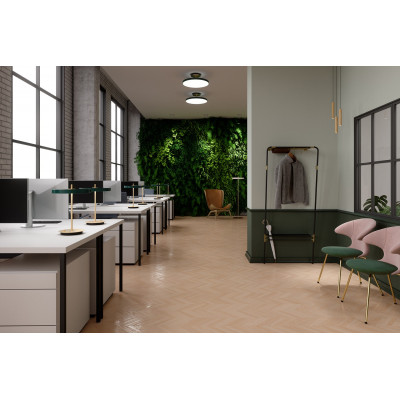
In the living room or bedroom – a ceiling light can act as a neutral base for layered lighting. Choose a model with a diameter of at least 35–40 cm and dimming capability. This way, you can adjust brightness depending on the time of day – bright when cleaning, soft when watching a movie. Combine it with wall lamps or table lamps to create a cozy and cohesive setup.

What to consider when buying a ceiling light?
Size – Match it to the proportions of the room. For smaller spaces (like bathrooms or hallways), go for a 25–30 cm diameter. For larger rooms like living rooms or bedrooms, choose 40 cm or more to ensure even light distribution.

Color temperature – Not all lighting suits every space. For relaxing areas, warm white (2700–3000 K) works best. For bathrooms or kitchens, neutral white (~4000 K) offers clarity without straining the eyes.
Brightness and light output – Forget watts; focus on lumens. Hallways need about 1000–1500 lm, while living areas benefit from 2000 lm or more – especially if the ceiling light is the main source.
Light source – Prefer flexibility? Go for models with replaceable bulbs – you’ll easily switch temperature or add dimming. Integrated LEDs are convenient but check the quality and lifespan before choosing.

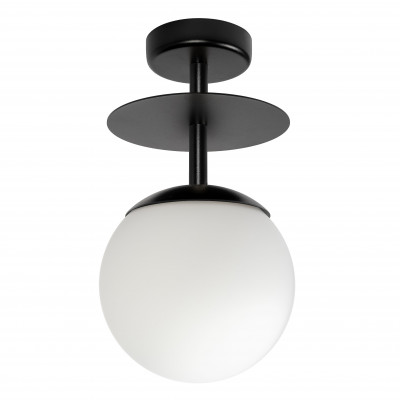
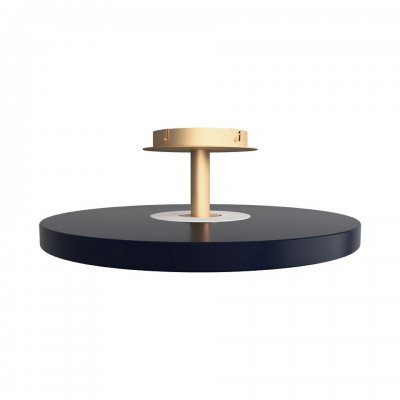
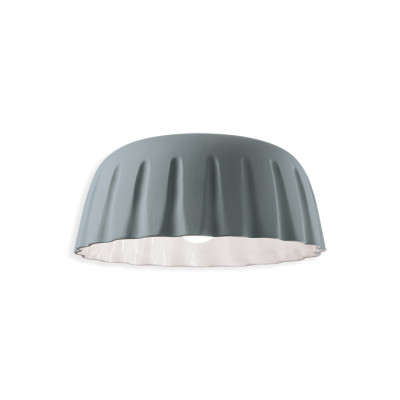
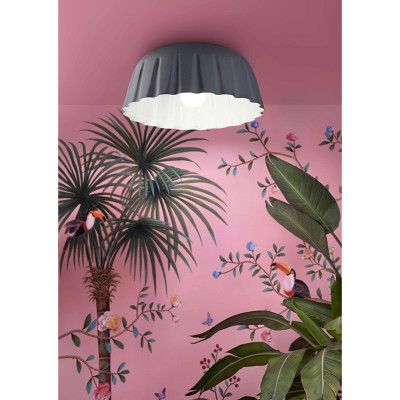
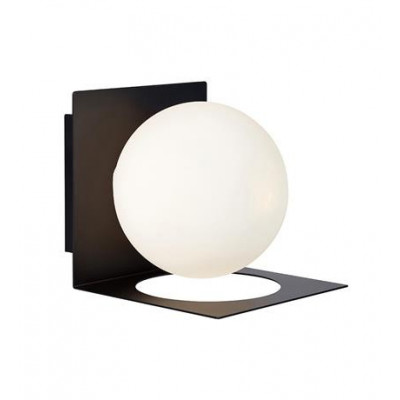
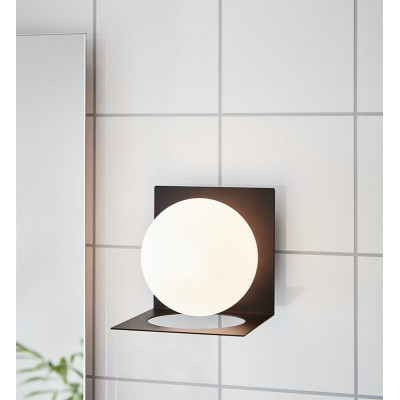
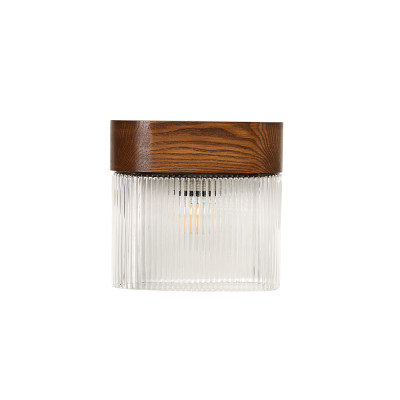
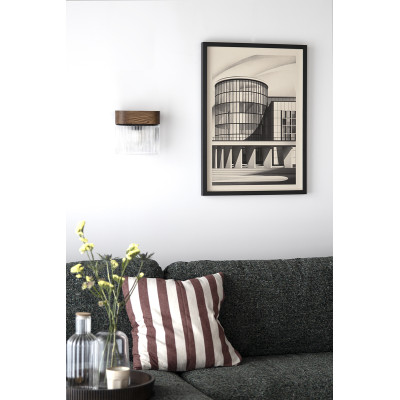
Style and material – Want something natural? Check out SOOA Design or Madam Stoltz – they offer wood, rattan or ceramic finishes. Prefer a minimal twist? Zangra has sleek ceiling lights in various colors. Ready to go all in? Be sure to check out ceiling lights from the Italian brand Ferroluce. And if you’re into bold, modern forms – look at UMAGE for striking yet functional pieces.

Or maybe… something more flexible?
Sometimes a ceiling light is too much. Or not enough. Or simply… not in the right place. If you need more control over lighting arrangement, check out our track lighting systems.
With our Track Lighting Configurator, you can design a system from scratch: choose the layout (L, C, T or custom), the number of spots, and how the light is directed. It’s perfect when you want to highlight a reading corner, a gallery wall or your dining table – without cluttering the ceiling.
Not sure if it’s the right choice? Check out our article on track lighting systems and learn more before you decide!

Summary
Ceiling lights may be subtle, but they make a real difference. A well-chosen model will brighten up your interior, blend into the arrangement and serve for years – as long as you choose it consciously. Browse the ceiling light category on KoloroweKable.pl and find a solution that doesn’t force you to choose between style and functionality. Because good light just works.